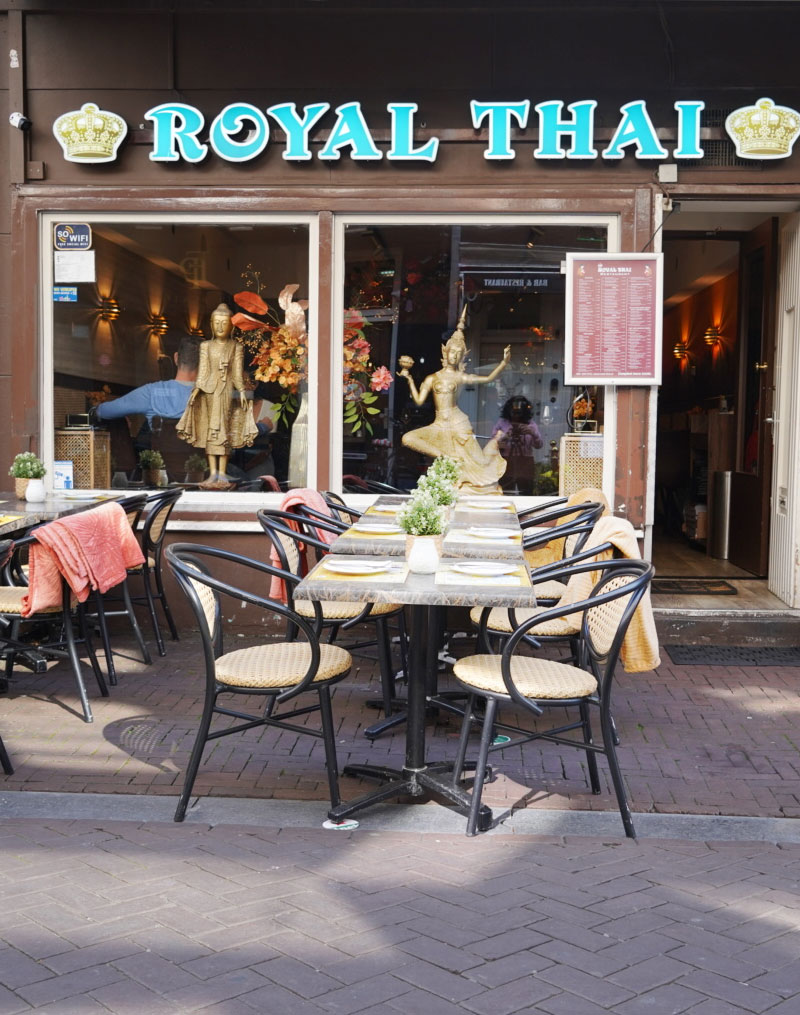
 Lange Leidsedwarsstraat 94 1017 NM AMSTERDAM.


Amsterdam is a place that reveals itself gradually. It’s not an assault of skyscrapers or a race to get through a checklist of sights. Instead, it beckons exploration — across hushed museum galleries, historic canal houses, sites of memory and areas that celebrate art, science and the world’s cultures. In Amsterdam, one day can feel like a trip through centuries, each museum and cultural site — from Rembrandt’s home to the Anne Frank House — stacking generations of identity and recollection atop the city.
This cultural wealth lends rhythm to the day, too, for a visitor. Mornings start with world-famous art and creative discovery — the afternoons delve into deeper historical and emotional reflection, while the evenings encourage a poise for calm, conversation, and comfort. When you visit a museum in Amsterdam, it’s not just about looking at what’s on the walls; it’s about experiencing stories, context, and ideas that resonate long after you leave the gallery. Hours of walking, studying, and thinking will be balanced in the quiet silence, for a slow end to the day.
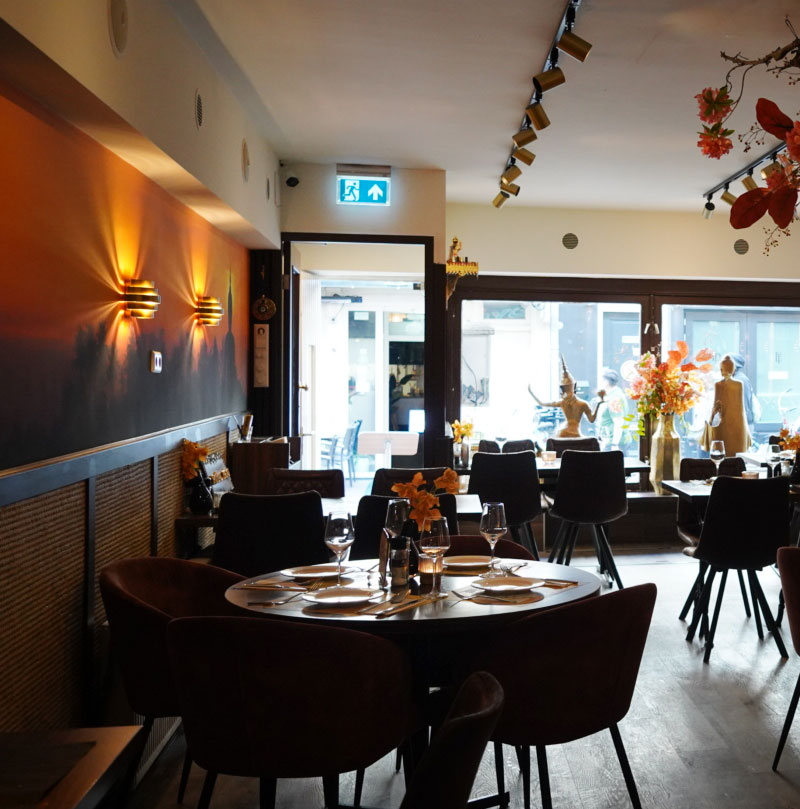
This is where smart dining becomes a part of the cultural adventure, rather than a timeout from it. Spend the end of the day at Royal Thai Restaurant near the city’s cultural heart to detach with ease without losing city-centre proximity. This guide walks you through the city’s most significant museums and cultural landmarks — how they fit together to make a day that feels intentional, unhurried, memorable — and demonstrates how ending it with a well-paced meal fits Amsterdam’s cultural rhythm in a way that, for once, feels like part of the plan.
A City Defined by Culture and Curiosity
Compact in size, Amsterdam is one of the most museum-rich cities in Europe per square kilometre—a quality that quite literally defines the way in which the city is lived. There are grand national institutions, yes, but also intimate house museums and specialized galleries or quirky experimental cultural spaces, most all within easy walking distance of one another. And this density makes it possible for visitors to bounce easily between eras and concepts, hopping from a medieval church into the present day over the course of minutes. Instead of piecemeal, as the city’s cultural offerings can seem, they feel continuous to me, like history and contemporary creativity are constantly in conversation.
What distinguishes Amsterdam is that it does not see museums as ivory towers disconnected from everyday life. They nestle into the very fabric of communities, canals, and residential roads, disappearing into them. Residents cycle past centuries-old façades on their daily commute, students congregate in museum cafés to study or argue, and travellers linger in quiet courtyards to process what they’ve seen. Here, cultural engagement feels serendipitous rather than programmed, influenced by movement, curiosity, and happenstance more than fixed schedules.
Racing from museum to museum all day is stimulating to the mind as well as fatiguing for the body. All the walking, standing, and information absorption can wear on you after a while, even though your mind is still being stimulated. By night, visitors are often in the mood for warmth and comfort, a place to decelerate. At this point, dining is not an add-on to the experience but a fundamental part of it — it’s where you sit still, contemplate, and perhaps let the day’s experiences sink in. In Amsterdam, this dynamic balance of adventure and regeneration is what can take an otherwise crowded itinerary into the realm of enduring, enriching experience.
World-Famous Art Around Museumplein
A lot of cultural tours in Amsterdam start at Museumplein, which is a vast, open cultural square enveloped by the greatest museums on earth. This stretch of the museum has enough depth and density to occupy a full day, pulling you into the heart of Dutch — and international — art history. The experience is not rat-racy, it's immersive, and while each place offers its own unique viewpoint on art, the groups are still organisationally tight by shared space and environment. You walk across Museumplein the way you might move through layers of artistic theory — classical skill, personal expression, modern experimentalism, and contemporary critique all informing one another.
The focal point for this experience is the Rijksmuseum, the embodiment of Holland’s Golden Age. Its sprawling galleries lead visitors along centuries of Dutch art and craft — and history, the tale of a nation driven by trade, innovation, and civic pride that shot to global supremacy on the waves. At its base are such iconic works by Rembrandt and Vermeer, with decorative arts, historical objects, and focused exhibitions that put the art in context and in conversation. Browsing through the Rijksmuseum is an inspiring and heady experience: its collections are so extensive, its treasures so varied that it can render visitors silent with awe over what appears to be not just art, but the building blocks of Amsterdam itself.
Lying just across the green, the Van Gogh Museum is one of the most emotionally compelling museums in such a deeply cerebral city. The world’s first museum dedicated exclusively to Vincent van Gogh provides a unique personal experience with the master.“Meeting Vincent” takes you on an unforgettable journey in which your senses will marvel at true emotion. In paintings, sketches, and personal letters, they capture an artist motivated by intensity and vulnerability, and the intense emotional pull of his work often sticks with visitors long after they’ve left the galleries. The classical trilogy is completed by the Stedelijk Museum, where modern and contemporary art play leading roles. Its cutting-edge shows contrast with the historical institutions close by, prompting visitors to challenge, interpret , and engage in new ways of looking at art. In the vicinity, the Moco Museum presents a playfully provocative dimension, with street art and modern icons designed to disrupt notions of traditional art. In the hours spent inhaling so much creativity across these spaces, visitors frequently step back onto Museumplein feeling inspired but also somewhat full — prepared to dial down the pace as the day wears on and the city delivers its quieter rhythms.
History and Memory in the City Centre
Leaving Museumplein, many will naturally head towards the historic core of Amsterdam, where the focus of the city’s museums moves from artistic accomplishment to memory, identity, and civic life. This switch is an essential tone shift. That experience is less about the visual and more about how history, governance, and individual lives have come to form a monument like no other. Streets get smaller, buildings feel more personal, and the tales one encounters resonate on an emotional level that cuts deeper.
At the heart of this story is the Amsterdam Museum, which offers a requisite orientation to the city. With artefacts, audio-visual installations, and personal tales as tools, the museum charts Amsterdam’s transformation from a small trading town into a thriving cosmopolitan city. It gives valuable context to everything visitors will come across during the day, from canal houses and markets to public squares and civic institutions. Contrary to conventional practices, the museum attempts not to focus on one period but, in fact, portrays Amsterdam as a city that has expanded and developed over time through migration, trade, tolerance, and artistic influence.

It’s a short walk from there to De Nieuwe Kerk, an imposing structure that combines the religious with the civic and cultural. It is out of use as a place of worship, but it still has strong associations with national identity. Currently, it is a museum and holds exhibitions on history, royalty, and the wider world while offering an interface between an age-old sacred past and modern cultural exchange. The space itself — in which everyone gathered beneath the high ceilings of its restrained interior — offers a pause for reflection instead of an easy pass from one place to another.
Few places in Amsterdam linger in the memory as long as the Anne Frank House. To actually visit the preserved home is an emotionally riveting experience that makes abstract history personal. The cramped rooms, secret annex, and original diary fragments make a direct connection between visitors and Anne Frank’s voice, as well as the higher human cost of persecution and war. Many visitors depart in silence, taking reflection with them when they return to the city’s streets.
Between them, they make up the emotional heart of a day’s culture in Amsterdam. They ask their visitors to slow down, digest the cold understanding of context, and synthesize what they’re seeing rather than run immediately to the next one. The pace naturally changes after dwelling in spaces that have been infused with memory and meaning. A peaceful, restorative counterpoint to all of this, when you arrive freshened up to the city’s cultural heart at day’s end, is a final evening at Royal Thai Restaurant — an opportunity for quiet reflection when the history and identity witnessed throughout the day winds down thoughtfully with good food.

Jewish Heritage and Cultural Memory
The Jewish heritage of Amsterdam is an important and profoundly human chapter in the city’s history, brought to life by our network to keep memory, identity, and lived experience alive. Focused mostly around and near the old Jewish Quarter, such institutions document Jewish life in Amsterdam centuries before the Second World War. Together, they demonstrate how Jewish communities helped form the city’s culture, intellect, and wealth — it also marked a place of persecution, loss, and survival. No better way to slow down the pace and reflect, understand, instead of spectacle.
The Jewish Museum provides an extensive overview of the adaptations and continuities in Dutch Jewish life down through the centuries. Using religious artifacts, artworks, and family stories, and with interactive exhibitions, it explores traditions, daily routines, and cultural contributions that have persisted in the face of at times harsher treatment. Instead of just an expression of suffering, the museum is about resilience and continuity as it explores how, over time, we were the first European culture group to be allowed back into Dutch society. This wider view enables visitors to interact with Jewish history as a living cultural past rather than as bygone history.
Nearby, the Portuguese Synagogue is one of the best-preserved synagogues in Europe, and a potent monument to a past epoch with its own measure of freedom and prosperity. Constructed in the 17th century, it is a testament to the intellectual life, global connections, and cultural confidence of the Sephardic Jewish community that settled in Amsterdam after escaping from persecution elsewhere in Europe. The flickering candle-lit interior remains bright, and a state of tranquillity and respect prevails that is hardly touched by the passage of time; visitors here can experience a rare continuity between the past and now.
Presenting the more harrowing aspects of history, the National Holocaust Museum and Hollandsche Schouwburg acknowledge persecution, deportation, and loss during World War II. With oral testimonies, archival documents, and preserved spaces, the sites keep alive the reality that the result of hatred and indifference is not abstract or forgotten. Frequenting museum spaces such as these, visitors are often left in a contemplative state, that is, thinking and feeling quietly. As a consequence of that, the quieter, more contemplative hours and moments, particularly in the evening, have significance, enabling memory, understanding, and compassion to rest as they do on their own.

Canal Houses and the Golden Age Lifestyle
Amsterdam’s canals are at the heart of what makes the city unique, as scenic conduits, but also the structure and lifeblood of its Golden Age glory. Surrounded by slender, gracious homes, these canals were once the mark of influence, wealth, and status. A number of the old merchant houses are now museums, and you can go behind the gables to explore how Amsterdam’s wealthy elite lived, worked, and portrayed themselves during eras of extraordinary affluence and global authority.
A class entry to this world is offered by the Museum of the Canals. The museum, in a former canal house, explains that Amsterdam’s canals were the product of careful urban planning rather than organic growth. With models, maps, and multimedia presentations, visitors see how water management, trade routes, and residential design are all intertwined to enable commerce and the increase in population. The museum situates daily life against a wider economic backdrop, illustrating how shipping, warehouses, and houses worked within an interconnected superstructure during the Dutch Golden Age.
If you want to get a sense of how the upper crust lived, head to the intimate Museum Van Loon and take an insider’s tour through a rich merchant family’s home. The preserved interiors — formal reception rooms, dining areas, and private chambers — are a showcase for how status found expression in architecture, furnishings, and art. Behind the house is a rare private garden, shielded from canal view, exemplifying the balance between public display and private life. Here, history feels lived rather than curated, which enables the visitor to imagine conversations, routines, and social conventions that once governed daily life.
The Willet-Holthuysen Museum offers a taste of this same sophistication that characterized the 19th-century elite. The lavishly ornamented interiors are a reflection of evolving trends in taste, social etiquette, and home life. It’s a quieter, more immersive experience than what you get at big national museums. It is as though we enter their rooms, and step back in time, which gives more color to that cultural journey, makes it richer and deeper — a history book in three dimensions — turning Amsterdam’s canals into more than just pretty resting-on-their-laurels scenic wallpaper: They’re living history.
Artists, Scholars, and Everyday Life
Just as it does beyond its stately national museums and grand edifices, Amsterdam comes out in quite a different guise in small institutions that address creativity, research, and the minutiae of ordinary human lives. What these museums offer is a shift, from that version of history-in-big-chunks to the interest in individuals’ lives, intellectual curiosity, and also what stuff people used, made, and cherished. Visiting them brings nuance to the day, quieter but inherently engaging moments that offer a counterbalance to the weight and intensity of bigger cultural sites.
There is no more personal experience in Dutch art history than the Rembrandt House Museum. Housed in the preserved dwelling where Rembrandt lived and painted, the museum offers visitors a direct view into the artist’s world. The small rooms, studio space, and period furnishings immediately invoke a sense of presence, turning Rembrandt from a transcendent artist into an entrepreneurial artisan, grappling with ambition, success, and the vicissitudes of daily life. Standing where he painted and instructed his students forms a direct linkage between place and creative process that few cavernous galleries offer.
Expanding the pool of intellectual adventure, the Allard Pierson Museum migrates outside Amsterdam to look at ancient civilisations and mankind’s bedrock knowledge. Its archeological holdings and topic-based exhibitions follow human ideas, religions, and cultural practices in time, from the first millennia before to later times, establishing connections between classical knowledge and contemporary thought. The Museum of Bags and Purses, on the other hand, homes in on cultural history in its most intimate form. Focusing on design, workmanship, and fashion through accessories, "The Body Politic" illuminates how ordinary objects can reflect shifting social position and identity over centuries. The Museum of the History of Medicine adds another layer still by unlocking the history in science and health, and medicine's changing role in society, to tell us that change is inherent to any culture, but innovation and care are sure signs that we're doing something right.
Mixed together, these museums help give a cultural itinerary thrust and texture — challenging the intensity of our emotions with curiosity and discovery. Having taken a day to touch art, scholarship, and daily history, it seems only fitting that the day should wind down more gently. Finishing off the experience at this Thai Restaurant located close to the city’s cultural heart offers a peaceful move from learning to resting and returning in a relaxing space to debrief your day shaped not just by the famous grand works but more private tales that breathe life into Amsterdam.
Photography, Film, and Visual Storytelling
The stories now being told in Amsterdam are predominantly those of photography and film, two forms of visual storytelling that mirror present-day visions of identity, community, and transformation. Classical art museums memorialize the past, but these are places about the present — how we see the world today and how images structure our perceptions, memories, and conversations. Together, they place Amsterdam as a city that cherishes not only its history but also the ongoing creative productivity and critical reflection about it.
The Foam Photography Museum, or simply FOAM, is at the center of this world. And then it is in a historic canal building, combining the old architecture with a modern visual language. Its shows showcase established and emerging photographers from across the globe, covering topics including identity, politics, fashion, social change, and personal storytelling. Because of the regular turnover, FOAM encourages return visits: Every new show will read differently. In the intimate space of the museum, a fact even more pronounced these days as visitors can get right up on the work, Photography feels immediate, personal, and emotionally compelling rather than distant or“purely” documentative.
On the other side of the IJ River, Eye Filmmuseum marries this concentration of visual storytelling in a cinematic context. Easily identified by its radical, futuristic architecture, the museum is both a cultural institution and a public gathering space. Inside, exhibits look at the history and development of movies from their earliest iterations to today’s cinema; regular screenings include classics, indies, and films produced abroad. The Eye Filmmuseum reaffirms that film is not simply entertainment, but also a form of art that mirrors social norms, technological developments , and collective daydreams.
For more than just its galleries and cinemas, the Eye Filmmuseum is treasured for its location. (The interior hints at the multicolored, pop-art inflected style of much Amsterdam design; it would be more interesting if they leaned into it just a little more.) Sitting in the café and looking out at the skyline across the water of Amsterdam throughout the day (as the buildings' lights come on along with water taxis) has become something like visiting Ground Zero, though far less crowded. It provides a pause and a way to think and take in the city from another angle. As an institution, FOAM’s partnership with the Eye Filmmuseum announces Amsterdam as a city still dedicated to shifting cultural idiom, where photography and film are not merely adjunct arts but prime operations on the modern world.
Science, Innovation, and Global Perspectives
Amsterdam's cultural scene is not limited to art and history, but includes science, technology, and an international perspective. These were institutions that spoke a city whose character had always been one of curiosity, experimentation, and exchange, and which was as true to it then as now. Dealing with technology, the development of society, and regarding world views, Amsterdam uses the above example to depict culture as something prospective, and not just a sense fixed on the past.
The NEMO Science Museum is one striking example of this approach; its dramatic and imposing bow-shaped design is positively emblematic. NEMO encourages people to discover, experience, and learn how science affects ourselves, our daily lives, and the world around us. The interactive, engaging manner in which it is presented takes away the mystery of difficult concepts and makes learning an active experience. The museum imparts an energetic spirit to a cultural journey and is particularly enjoyed by families, students, and inquisitive minds who want to know how things work.
In addition to this focus on science, the Tropenmuseum opens up the aperture to cultures around the world, as well as shared human narratives. With well-curated exhibitions, it looks at topics of diversity, migration, and colonial history, and the exchange of culture. Not breaking off cultures as frozen or remote, the museum fosters dialogue and pondering, linking history to the present in ways that transnationalize current social concerns and offer a more complex view of global interconnection.
Further down the list, in a different direction, maybe lies the Van Eesteren Museum, where urban development and modern architecture are celebrated. Named for the influential city planner Cornelis van Eesteren (1897-1988), it makes clear how design choices impact life, housing, and social organization. Together, they all serve to remind visitors that culture develops along with science, technology , and society — always adapting to new ideas, tasks, and sensibilities.
The Natural Pause at Day’s End
Museum-goers are often ready for a subdued feeling of closure by late afternoon or early evening. The mind is crowded after hours of learning, looking and feeling things that are often uncategorisable – the body has started to feel the physical exertion of walking from one gallery to another, through neighbourhoods or down historic streets. At this hour, Amsterdam itself seems to relax — the crowds thin, light shifts , and the tempo of the city slows, gently. This is the juncture at which visiting a country becomes, at this point, as much about relaxation as it is about exploration.
When you eat at the end of a day like that, it’s not merely a necessity. It’s a time for reflection, conversation, and thinking. Where you decide to eat is crucial because the setting can prolong a day of overstimulation or bring it to a peaceful end. A laid-back dinner is a chance to catch up with your travel companions, with your thoughts or the impressions you’ve taken in during the day, where there’s no agenda or sites left to check off.
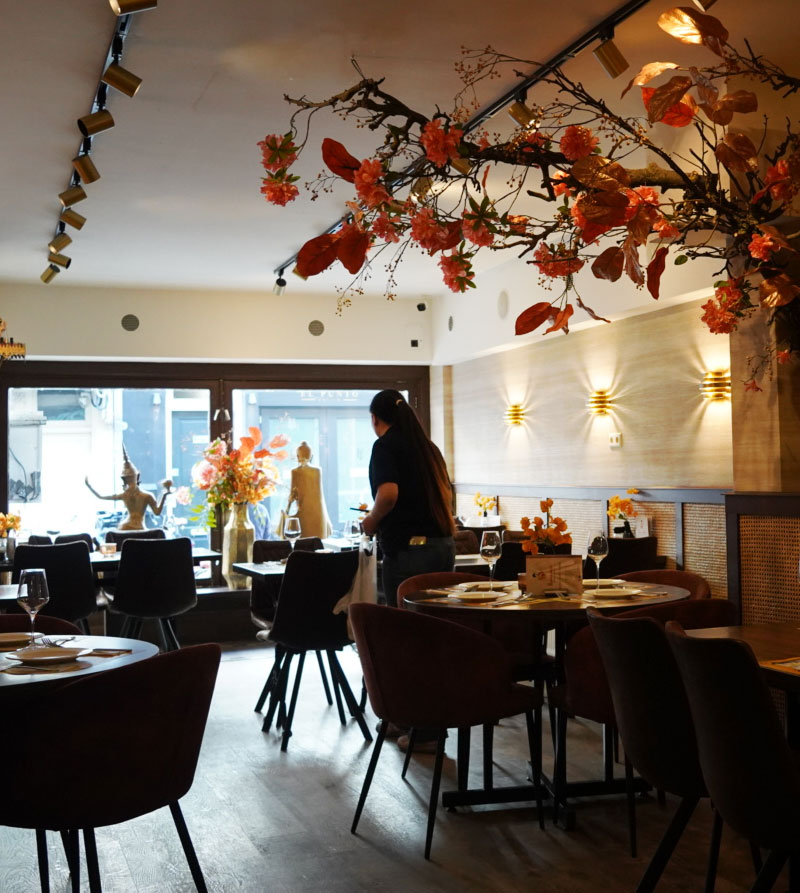
This is situated at Lange Leidsedwarsstraat 94 in Amsterdam and gives you a perfect place for all these developments. After hours in museums and historic spaces, there is something to be said for a setting that feels welcoming and composed — perhaps more important than being cutting edge or futuristic. Fine cooking and delicate scents, attentive service without intrusiveness, the offer of open arms so that people can rest after an eventful day – this is all done without imposing itself, allowing experiences to naturally sink in.
The proper meal puts balance back in a cultural day. It turns motion into stillness, forgetting into recollection, then wandering into a memory.
A Complete Amsterdam Experience
Amsterdam’s museums and cultural sites have given us a lot more than an education; they have given us perspective. From famous art collections and intimate house museums to sites of remembrance, innovation, and scientific curiosity, Paris offers culture as a way of life rather than a form of presentation. Visitors pass easily from century to century — taking in masterpieces, brooding over history, and learning how daily life played out along canals and within neighborhoods molded by trade, tolerance, and creativity. This multi-tiered process is a call to thoughtfulness, and those naturally inclined to curiosity will be well served with depth and context.
What unites this richness is a sense of balance. Art nourishes the mind, history sharpens understanding, science fuels curiosity — but a full day of cultural engagement requires rejuvenation as well. Exploration tamed with a peaceful, purposeful end after the fact lets things sit to rest instead of being mixed and mushed together. I liked the feeling of rounding out the day at Royal Thai Restaurant, near the city’s cultural center. A relaxed ambience, friendly service, and cooked dishes provide a restorative interval to the mental and emotional exertions of the day.
Amsterdam is a city that rewards you for taking things slow. By creating spaces for contemplation and taking the time to be still with discovery, guests frequently leave with more than just a camera’s worth of cool images or their birdchecklists filled. They leave knowing that they have some sort of a bond — to the city’s beat, its stories, and its people. In this balance of adventure and relaxation, Amsterdam emerges most honestly, an experience that seems full-bodied, unhurried, and evergreen.
Recent Post
-
1

-
2
 A Perfect Day Around Amsterdam’s Central Hotels and City Sights
February 10, 2026
-
3
 A Scenic Canal Route Through Amsterdam Followed by Dinner
February 10, 2026
-
4
 Amsterdam’s Cultural Landmarks and the Ideal Way to End the Day
February 10, 2026
-
5

-
6

-
7
 Drop By Our Authentic Thai Restaurant in Leidseplein
June 13, 2024
-
8
 Explore Leidseplein Top Attractions and Famous Places to Visit
December 26, 2025
-
9
 Exploring Amsterdam’s Parks and Ending the Day with Great Food
February 9, 2026
-
10

-
11
 Lange Leidsedwarsstraat: A Complete Guide to Amsterdam’s Lively Streets
February 26, 2026
-
12

-
13
 Shopping Amsterdam’s Iconic Streets Before a Relaxed Dinner
February 9, 2026
-
14
 Strolling Through Amsterdam’s Squares and the Ideal Evening Meal
February 10, 2026
-
15
 Taste The Flavorsome Thai Rode Curry in Amsterdam
June 13, 2024
-
16

-
17
 Try Authentic Thai Food Amsterdam Only at Royal Thai
June 13, 2024
-
18

-
19
 Walking Amsterdam’s Famous Streets and a Relaxing Evening Meal
February 10, 2026
-
20
 Your Guide to a Good Thai Restaurant in Amsterdam
June 13, 2024
