 Lange Leidsedwarsstraat 94 1017 NM AMSTERDAM.


Amsterdam is a city where shopping is not so much about transaction as about an experience defined by atmosphere, movement and place. In Amsterdam, shopping is done in historic streets, vibrant markets and in characterful neighbourhoods. From the emporia of elite fashion and popular retail streets to sleepy boutique lanes and lively open-air markets, every district maintains a unique rhythm and style, making the city's character rich in diversity rather than efficiency.
Those who sell things in Amsterdam do so especially well, and they seem to be doing it better all the time. What’s particularly special about shopping in Amsterdam is the fluid integration into the rest of the city. Shopping streets trace canals, markets nestle alongside historic squares — and cafés always seem to materialise just where you want a moment’s rest. The experience is of human dimension, walkable and unforced. There’s no rushing from one point to the next; rather, the day takes on a relaxed rhythm with exploration, rest stops and shifting landscapes.
Here is where the flow of the city works to especially good effect. Day shopping-edge closer as the day goes on to the hub of Leidseplein and Lange Leidsedwarsstraat, one of Amsterdam’s easiest and most convivial areas for a night out. Chaotic outside but calm inside, it's the best place to end your day. Inside this space, Royal Thai Restaurant provides a relaxing atmosphere to wind down and relax as shoppers move from the bustle of the streets into an enjoyable dinner.
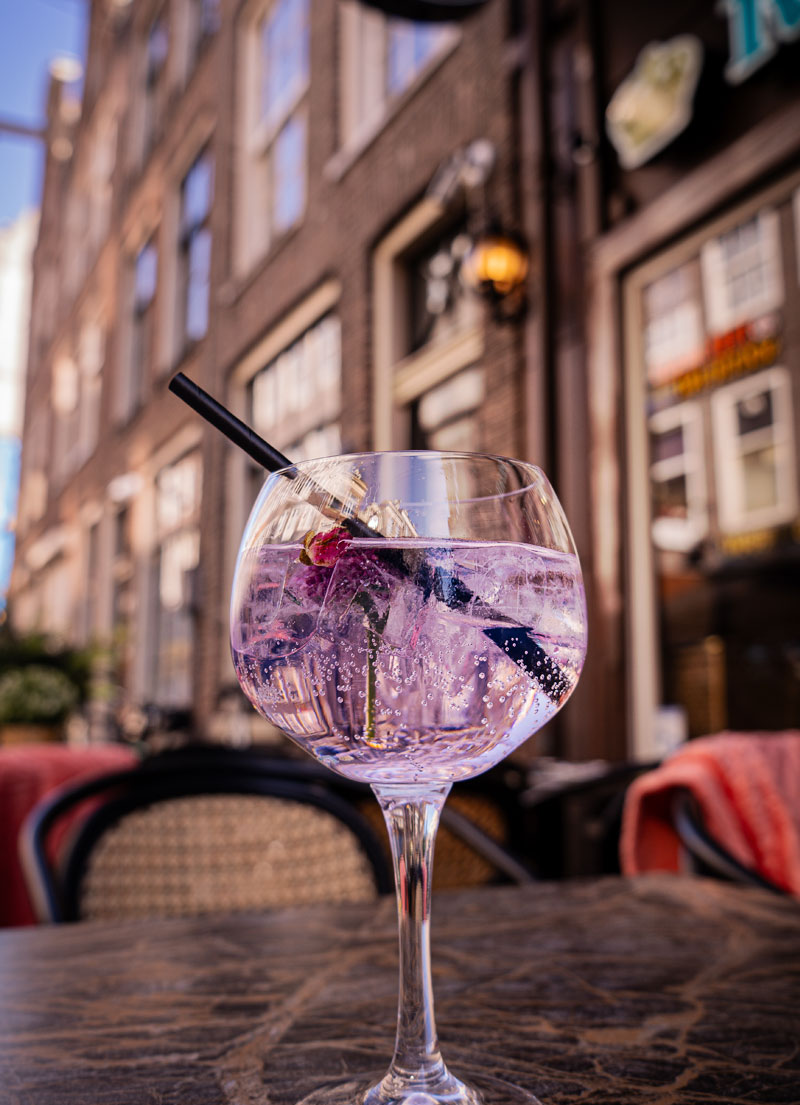
A City Made for Shopping and Strolling
Amsterdam’s small-scale geography is particularly well-suited to being shopped on foot. But in Amsterdam, retail spaces aren’t a series of standalone places separated by long stretches of geography; they are embedded in the fabric of the everyday streets and neighbourhoods that define the city. One shopping space seamlessly leads to the next, freeing you up to meander without much of a plan. You can start the morning on a bustling high street, turn off into a quiet lane filled with independent boutiques, stop at a local market for lunch and eventually find yourself walking by a canal — all of this without really realising how much ground you’ve just covered.
More 1st-ring close-in walkability that helps keep those natural rhythms going. Shopping is integrated into a larger urban experience that includes architecture, people-watching and serendipitous discovery. Stretches of retail are broken up by historic façades, residential streets, cafés and small squares – cues for foot traffic to slow down a bit instead of racing through. The city beckons for detours, and side streets are as tempting as main shopping routes.
As a result, shopping in Amsterdam is hardly ever transactional or exhausting. For a visitor, such places force almost constant stoppages — to rest here and there, to take in the scenes nearby, or simply to follow a particular street because it seems the thing to do. As much as any shopping plan, the city guides the experience and prescribes a day that is full but not overpacked.
As the afternoon waters toward evening, there is a shift of emphasis. The shops become a promenade, the imperative of shopping replaced by a yearning to relax. Energy tapers, streetlights start to flicker on, and the city takes on a more nocturnal intimacy. And it’s then that Amsterdam’s central restaurants start to make a lot of sense, ticking off the last of your hang-ups and offering an easy, comfortable conclusion to the day — somewhere where you can sit down, breathe and let all that soak in rather than walking along with it still whizzing by.
Amsterdam’s Main Shopping Arteries
Some streets form the backbone of Amsterdam’s shopping scene. These are the places most visitors encounter first — lively, energetic, and filled with well-known brands and constant movement.
Kalverstraat
Kalverstraat is the best-known shopping street of Amsterdam and is one of the busiest in the Netherlands. It starts from Dam Square while heading towards the southern part of the city centre and is home to big international fashion brands, shoe shops, accessory stores, and well-liked chain retailers. With its central location and high number of big brand names, it’s the perfect place to start many a shopping day.
The Kalverstraat has a vigorous, busy atmosphere to it. Crowds move in all day, giving the place a very urban feel. Even shopping is as much about watching as buying; the constant flow of movement makes people-watching a pastime in and of itself. And after steering their way through its sensory overload, many visitors are happily exhausted — eager to escape the intensity of it all by wandering quieter adjacent streets or elongating an early, more leisurely evening meal.
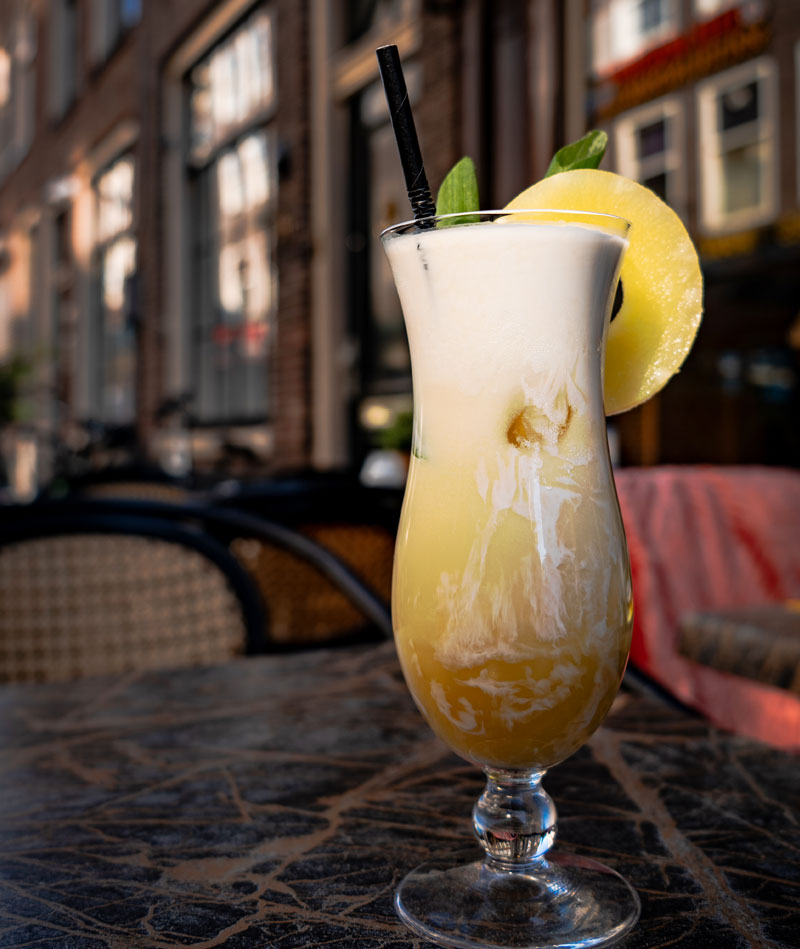
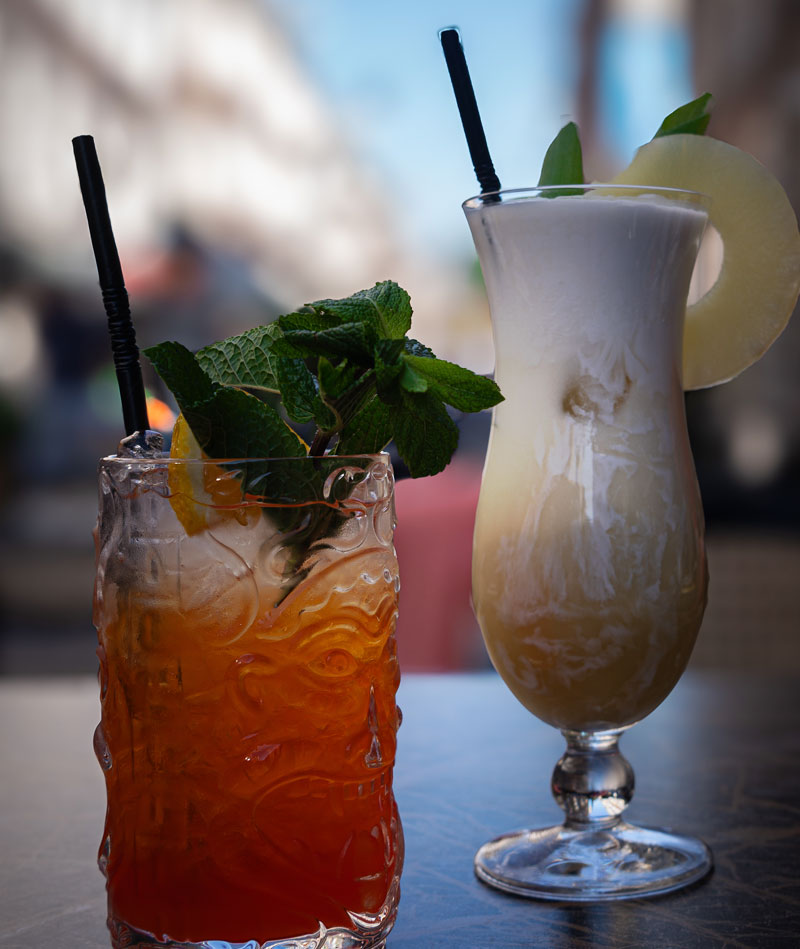
Nieuwendijk
Running from Amsterdam Central Station to Dam Square, Nieuwendijk is one of the city’s most popular shopping streets. The street provides a variety of international fashion shops, electronics retailers and other entertainment venues for both tourists and local people moving in the heart of downtown.
For many visitors, Nieuwendijk is an introduction to the retail energy of Amsterdam. Coming from the station, it plunges visitors immediately into the city’s beat — bustling, walkable and bustling. Shopping then regularly continues further into the city centre, where Nieuwendijk forms a portal to an entire day of shopping.
Nieuwezijds Voorburgwal
Once you get to Kalverstraat, it is adjusted to the right, and Nieuwezijds Voorburgwal provides a wider and more open shopping experience. The broad avenue boasts department stores, malls and strategically placed cafés to take the edge off between retail stops. The floor plan offers openness and room to breathe, which can be a pleasant change from the wall-to-wall stress of the surrounding streets.
But more than anything else, Nieuwezijds Voorburgwal serves as a critical connector. Acting as an organic link between the main retail areas and cultural points of interest nearby, it becomes not just a shopping node, but also part of the passage through the city centre.
Damstraat
Damstraat is a bit shorter, but always vibrant. Near Dam Square, it is full of souvenir shops, fashion and fast-food joints - a street that never sleeps. It is a small and tight little place, so it’s easy to get around without feeling lost.
For many of the shoppers, a stroll down Damstraat serves as a natural midpoint to the day. It’s for grabbing gifts, for a quick pit stop or a reset before moving deeper into other shopping districts. The street’s central location allows easy inclusion of it in just about any shopping route through Amsterdam.
Rokin
Rokin provides a change of tempo, a hybrid of shopping and sightseeing. Following the canals and close to most of the major sights, it marries shops with open vistas and architectural distractions. The wider walking spaces also combine water, inviting a slower and more relaxed move.
The Rokin shopping is not typically a rushed experience. Visitors frequently stop to gaze at the view, observe boats passing by or soak in the shifting light along the canal. The street thus naturally slows pedestrians down from the high-energy environment of retail to a calmer walking rhythm — making it an ideal intermediary between a day of shopping on the go and a more placid evening to follow.
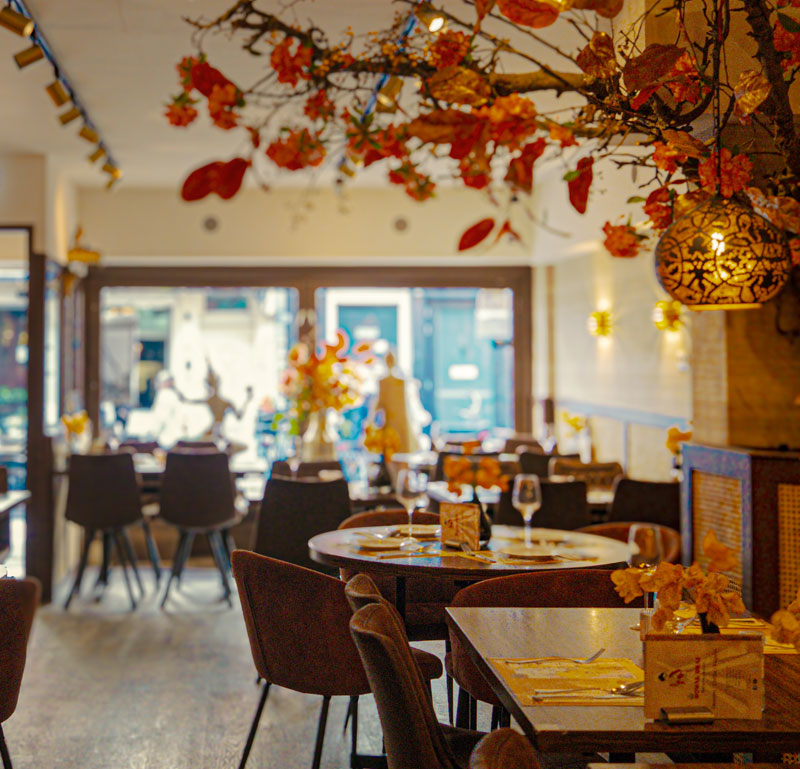
Boutique Streets and Stylish Neighbourhood Shopping
Beyond the main arteries, Amsterdam reveals its more refined shopping side — streets known for independent boutiques, concept stores, and local designers.
Utrechtsestraat
One of the most delightful and fascinating shopping streets in Amsterdam, with something for everyone who likes to shop but does not want mass market stores. The Boulevard’s character is not created by the ubiquity of major global chains but instead by independent fashion stores, lifestyle shops, bookstores, design outlets, and niche food haunts. Then there’s the street’s scale and the individuality of its shops, which makes it feel personal and considered.
Shopping on Utrechtsestraat is a slower scene. People tend to browse at leisure, enter stores without hurry and chat with shop owners who know their goods intimately. What’s exciting about the experience is really less about volume and more about quality — discovering things with character or narrative, or that are well made. This easygoing tempo is what lends the street its subtle yet accessible grace. After time in here, a lot of customers want an evening that reflects the same mood: comfortable, composed and well-paced. Finishing the day with a sit-down, relaxed dinner seems an organic transition rather than a shift in gears.
Van Baerlestraat
The Van Baerlestraat has an affluent shopping streetscrape which is highly influenced by the presence of cultural institutions and museums. The avenue is dotted with shops from prominent designers, luxury labels, and high-class brands focused on quality, creativity and classic trends. Context The surroundings — broad sidewalks, stately architecture and nearby cultural institutions — lend the hotel an aura of calm sophistication.
Visit Van Baerlestraat, and a sense of urbane intent can wash over you. The shopping here is not rushed; it’s purposeful and intentional, all about the attention to detail and experience. The plaza draws a clientele that craves a quieter kind of luxury, where setting matters as much as what’s bought. The mood for a pensive finish is already set by a day that includes Van Baerlestraat. It also helps to take dinner quietly and well, in high style and good taste, so the day ends in as decent order as it began.
Haarlemmerstraat and Haarlemmerdijk
Haarlemmerstraat runs into Haarlemmerdijk to make up one of Amsterdam’s most-loved and busiest shopping streets. These streets are interspersed between the fashion boutiques and specialty food shops, bakeries, delis and unique independent stores that make wandering through them feel both lively and homey. The mix is designed to encourage browsing, rather than specific purchasing.
The vibe in and around Haarlemmerstraat and Haarlemmerdijk is friendly, community-oriented and not removed from real life. Shoppers pause for coffee, linger at bakeries, wander the side streets, or simply take in the steady rhythm of the neighbourhood. Here the retail is an integral part of daily life and not cordoned off as a distinct activity. This combination of shopping, social life and movement means it’s possible to spend a whole afternoon here without feeling depleted.
After browsing, walking and appreciating all my neighbourhood has to offer for hours on end during the day, it feels almost easy to make that switch into the evening. Returning for dinner closer to the city centre becomes a logical next move — not something you have to do, but something you’ve earned. The day ends in relaxed comfort, with the feeling that it was all a good local experience and not an exhausting one.
The Nine Streets (Negen Straatjes): Amsterdam’s Boutique Heart
No shopping experience in Amsterdam is complete without visiting Negen Straatjes, or the Nine Streets. Located within the canal belt, this area consists of nine narrow streets filled with boutiques, vintage shops, art galleries, and specialty stores.
The Character of Negen Straatjes
But what makes Negen Straatjes really unique is not the shops – although they're pretty interesting – but its environment. Based in the historic canal belt of Amsterdam, these nine streets are bordered by waterways, tiny bridges and centuries-old buildings that have long been homes to modern creativity. The canals trail calmly along the streets, with reflections playing to the light, and shopping has an atmosphere that seems uniquely Amsterdam.
The pace in Negen Straatjes is decidedly slower than the city’s bigger retail streets. Shoppers in Belgravia have a tendency to meander as opposed to dart from place to place, going instinctively from one street to the next. It’s an organic experience: You happen across a boutique, a café calls you in for a pause, and bridge views are worth stopping for. Survival is the essence here, shopping comes second to exploration, and acquisitions frequently seem more like finds than choices.
Berenstraat and Wolvenstraat
The Berenstraat and Wolvenstraat are in particular popular for their fashion boutiques, independent designers and hand-picked vintage shops. These streets draw customers seeking clothing and accessories that feel unique and personal, as opposed to mass-produced or trend-driven.
This is the kind of browsing you take very seriously and thoughtfully. Visitors commonly spend hours trying pieces on, comparing styles and admiring craftsmanship. The environment is such that it inspires individuality, and these streets are a favourite of anyone who prefers to walk loud and proud.
Huidenstraat and Runstraat
For a shopping experience that is a little more sophisticated, try Huidenstraat and Runstraat. The mix here skews luxury, lifestyle and design-oriented stores for visitors who appreciate the finer things in life. The vibe is cool and collected, with handsome storefronts and a more muted stream of foot traffic.
There’s intent behind shopping these streets. Rather than look at everything, visitors typically focus on certain pieces, types of material or new concepts. It’s a scene that tends to reward attention and patience, and further reinforces the idea that Negen Straatjes is about experience as much as it is commerce.
Hartenstraat and Reestraat
Some of the loveliest streets in the area are Hartenstraat and Reestraat. Less grand and more laid back, they are also filled with local boutiques, gift shops and casual cafes. These streets offer an intimate vibe — a sense of welcome that encourages slow browsing and spur-of-the-moment stops.
You can easily go in with no plan and come out with something unpredictable — a little gift, an unusual object or just the sensation that you’ve enjoyed yourself there. These streets represent the quieter, more personal side of this North Brooklyn neighbourhood.
Gasthuismolensteeg, Oude Spiegelstraat, and Wijde Heisteeg
Gasthuismolensteeg, Oude Spiegelstraat and Wijde Heisteeg are the narrower lanes to discover in Negen Straatjes. Lines with antique shops, jewellery stores and art galleries, these streets have a sense of silent alleyway to them – where curiosity reaps dividends.
Shopping here is like going on a treasure hunt. Tourists amble, dawdling past windows and ducking into stores that pique their interest. The process works better with patience and attention, yielding unique finds that feel embedded in the city’s history and artistic culture.
At some point, the escape feels organic, moving from exploration to rest. By the time it is time to head towards the city centre for dinner, you are not working to a plan, you just/finally need somewhere to sit down, relax and think about everything that has happened. Bagged out by Leidseplein and Lange Leidsedwarsstraat, it’s a luxurious way to come down from the Negen Straatjes high – everything is un-rushed in these parts and long may that continue.
Creative Streets and Cultural Shopping
Spuistraat
As an antidote to all that kind of city behaviour, on the Spuistraat in Amsterdam, something quite special is brewing, and it has nothing to do with traditional retail. The street features independent bookshops, alternative fashion shops and pop-up concepts as well as creative spaces that come and go on a regular basis. For this reason, it also draws a multifaceted crowd of creatives, students, writers and visitors who like to stray from the beaten path of shopping on the high street.
Walking along Spuistraat has the feel of exploring and culture, rather than shopping. Shops have long encouraged hanging out — browsing through books, eying design details or walking into temporary installations that reflect the moment trends, art or social themes. The street has an intellectual energy, with shopping, knitting, curiosity and talk. It’s rare for you to leave with something in hand, but also having picked up a new thought or idea.
A sizeable amount of time on Spuistraat gives depth to a shopping day. Rather than just spotlighting what is being purchased, the focus shifts to engagement and discovery. This helps set the street up as an alternative to more commercial high streets, providing mental stimulation without being put under undue pressure to buy anything.
Following a trek around Spuistraat, it is only natural for many people to want to get up the pace! The mind is alert, the senses are open, and the urge to decelerate is amplified. Then it's off to a quieter space — somewhere to sit down, relax, and take stock— in the best of all possible worlds rather than bringing new impressions home at the same volume, and ending up with too loud an evening.
Markets That Define Amsterdam’s Local Life
Markets are an essential part of Amsterdam’s shopping culture. They bring together locals and visitors in open-air settings filled with colour, sound, and energy.
Albert Cuyp Market
Albert Cuyp Market is the best-known market in Amsterdam and one of the largest and liveliest in Europe. Running through the centre of De Pijp, stalls selling fresh fruit and veg, spices, street snacks, clothes, bags and flowers fill the market. It’s the kind of place where residents shop for their weekly groceries along with sightseers taking in the city at street level.
There are certain places you go in Amsterdam for what amount to literal hits: Walking through the Albert Cuyp Market is an experience in full sensory overload. Scents coming from food stalls combine with the texture of vendors striking up convos, all layered over by the constant flow of bodies moving in every direction. That energy never flags; the experience is so direct and immersive, you can find yourself wandering around here for much longer than you intended. Even if you don’t buy much, it will make an impact. After browsing the stalls, a lot of visitors seem happy to be overstimulated — saturated with sights and sounds, smells and flavours — eager now to escape the noisy hubbub and slip into a more peaceful evening rhythm.
Noordermarkt
Noordermarkt is more of a civilised and calculated market. Renowned for its organic produce, artisanal foods, antiques and vintage merchandise, it draws shoppers who appreciate quality, craftsmanship and provenance. The market, which enjoys a loyal local following, has a quiet, purposeful feeling.
A trip to Noordermarkt doesn’t feel rushed, but considered. The shoppers peruse between the stalls, stop to ask questions and take a moment to study items. The experience typically dovetails with strolls in the surrounding Jordaan area, whose tranquil streets and characterful buildings also extend this feeling of calm beyond the marketplace itself.
Westerstraat and Westerstraat Market
Westerstraat is one of Amsterdam’s most traditional and local markets. So here, locals come to purchase daily necessities, clothing, fresh food and household items, letting visitors steal a peek at their daily city life. There’s a friendly, pragmatic and unpretentious feel in the air.
Walking around Westerstraat Market is comforting and safe. The emphasis is less on the novelty factor and more on regular life, so it feels real and inclusive. This market is also frequently where visitors get a sense of how Amsterdam operates beyond tourism, and you’ll come back to your time here with richer experiences.
Lindengracht
Lindengracht is synonymous with the market life of the neighbourhood and its atmosphere. The market here is mellow and approachable: a context for a morning or early afternoon. Stalls are scattered across a broad street, so there’s plenty of room to move and no rush to browse.
Lindengracht is a social, community-based shopping district. People stop and chat, linger in neighbouring cafes, and revel in the unhurried pace. It’s the type of market where it’s as much about ambiance as what you’re buying.
Waterlooplein Market
For antiques, vintage clothing, some secondhand bargains and records, head to the Waterlooplein Market. To browse here is to probe a living archive, with each stall presenting objects that come with history, character and capriciousness.
Patience and curiosity are rewarded in the experience. Shoppers make their way slowly, scanning tables and racks for the unexpected. Time easily escapes one’s notice as the discoveries pile on — a stash of sometimes physical, sometimes purely visual finds. Those who’ve visited Waterlooplein Market often find themselves inspired, even mentally jostled in the best of ways, and wanting to naturally slow down long enough to consume a proper sit-down evening meal.
From Shopping Bags to a Relaxed Evening Near Leidseplein
After hours spent shopping all over Amsterdam — from crowded high streets to intimate boutique lanes, to bustling local markets — the day starts naturally turning inward. Feet are aching, shopping bags are heavy, and the tempo that has invigorated browsing and perusing begins to slacken. Ironically, this change isn’t jarring at all. The city appears designed to steer back those caught up in a lengthy orientation, back toward its center, where the energy flips from active exploration into evening ease.
Leidseplein is a current focus of this change. As one of Amsterdam’s primary evening locations, the square is bordered by movie theatres, live music houses, theatres and cafes. – everything you need to make it a lively, social gig. Lights start shining brighter, and chatter gets louder, and a sense of being somewhere special grows. It’s where a city full of day turns into the night.
A welcome antidote, just a short walk from the square, is Lange Leidsedwarsstraat. It’s near enough to be right in the middle of Leidseplein but is a quieter, more civilized space. To step onto this street is to step just slightly aside — not out from the throng, but a little ways through it, without quite escaping the heart of its activities. This equilibrium makes it particularly enticing after a long day of shopping, when the exhaustion prompts one to want to stop rather than carry on.
The location couldn't be more convenient, which is a bonus. It's conveniently within walking distance of downtown shopping, easily accessible by tram, and a staple to tourists as well as locals. No travelling miles, no careful planning. For couples, friends and families alike, it provides the perfect place to take one last minute off your feet and debrief on your day.
Here, the focus shifts from doing to being — from browsing and buying to sitting, talking, and unwinding. The city remains present, alive just beyond the street, but the experience becomes more grounded and personal. It is this smooth transition, from active shopping to a relaxed evening near Leidseplein, that makes Amsterdam feel cohesive and thoughtfully paced, even at the end of a full and busy day.
Why Shopping Days Deserve a Calm Dinner
Sure, from the outside , shopping seems like a lazy bear's day out until you try it yourself (oh yeah!!). A day of shopping in Amsterdam can entail walking, negotiating streets and markets, making dozens of decisions throughout the day, and carrying bags from one place to another. Even when it’s an enjoyable experience, it slowly drains energy — not all at once but steadily throughout the day.
You can't lose focus while crossing several streets. Markets appeal to our senses with noise, colour, movement and conversation. Hiking between different districts involves physical exercise, and the revelation of tucked-away alleys and spontaneous shops keeps boredom at bay. Collectively, these things make it a long and rewarding day that’s also tiring in a quiet, cumulative way. The body and mind crave a change of pace by late afternoon or evening.
No wonder we think it’s important to have a calm dinner after a day of shopping. It’s not just about being a convenient place to stop for food; it’s a treat. When sitting, the body has an opportunity to settle, for the shoulders to unhunch and for our attention to come back inward. Conversation is muted, decisions come to a halt, and the emphasis on movement fades into absence. A well-proportioned meal creates room to connect — with companions, with the day’s events and with the basic pleasure of eating without rush.
Evenings in Amsterdam are not to be hurried or overstuffed. The pace of the city is a process that encourages balance: busy days and quiet nights. Choosing a quiet place to eat is respecting that rhythm. It also ensures that the day tapers to a close and does not jolt to one; in place of exhaustion, it brings soothing; in place of overstimulation, calm.
A day of shopping that concludes calmly in peace feels fulfilling. Instead of crashing, it becomes the soft landing of evening — a time to reflect, relax and savour the memories made on your way. It’s this fine line that turns shopping in Amsterdam from a hectic sightseeing tour into a complete experience.
Completing the Amsterdam Shopping Experience
The shopping streets and markets in Amsterdam resemble the city that hosts them — layered, creative, historic, open to the world. From the high-power rush of Kalverstraat to the independent boutiques of Negen Straatjes and the lived-in feel of local markets, every area adds its own chapter to a day out. Shopping here is not so much about what you buy, but about the rhythm of walking canals, exploring side streets and stopping at unlooked-for corners.
It’s only normal that after ruminating, wandering and deciding all day, some contrast would make sense. A low-key meal near Leidseplein is just that transition — a chance to stop, put your feet up and let the city settle (or not). This part of Amsterdam is replete with theatres, cafés and the play of evening light, such that the experience goes from active exploration to silent contemplation.
Opting for something like Royal Thai Restaurant ends the day with some purpose. In such a relaxed space, where flavours meet with balance, and the location is right in the middle of everything, there’s no need to rush to wrap up your day-long shopping excursion.
Shop all day for fashion, antiques, gifts or nothing at all (just partake of the city’s atmosphere) and then top it off with a carefully considered dinner, and everything falls into place. It transforms a full day of shopping into an Amsterdamian experience — unrushed, fulfilling and unforgettable.
Recent Post
-
1

-
2
 A Perfect Day Around Amsterdam’s Central Hotels and City Sights
February 10, 2026
-
3
 A Scenic Canal Route Through Amsterdam Followed by Dinner
February 10, 2026
-
4
 Amsterdam’s Cultural Landmarks and the Ideal Way to End the Day
February 10, 2026
-
5

-
6

-
7
 Drop By Our Authentic Thai Restaurant in Leidseplein
June 13, 2024
-
8
 Explore Leidseplein Top Attractions and Famous Places to Visit
December 26, 2025
-
9
 Exploring Amsterdam’s Parks and Ending the Day with Great Food
February 9, 2026
-
10

-
11
 Lange Leidsedwarsstraat: A Complete Guide to Amsterdam’s Lively Streets
February 26, 2026
-
12

-
13
 Shopping Amsterdam’s Iconic Streets Before a Relaxed Dinner
February 9, 2026
-
14
 Strolling Through Amsterdam’s Squares and the Ideal Evening Meal
February 10, 2026
-
15
 Taste The Flavorsome Thai Rode Curry in Amsterdam
June 13, 2024
-
16

-
17
 Try Authentic Thai Food Amsterdam Only at Royal Thai
June 13, 2024
-
18

-
19
 Walking Amsterdam’s Famous Streets and a Relaxing Evening Meal
February 10, 2026
-
20
 Your Guide to a Good Thai Restaurant in Amsterdam
June 13, 2024
