 Lange Leidsedwarsstraat 94 1017 NM AMSTERDAM.


Amsterdam is best revealed slowly, on foot. Here is a city where public spaces dictate the ways of life — where grand squares become gathering places, green parks provide breathing room, and lively plazas transition smoothly from bustling days to placid evening hours. Whereas other cities are organised around grand boulevards, the magic of Amsterdam is in its very local scale. A few steps will take you from a busy square to an intimate canal, street musicians to leafy park paths, where the city unveils itself in parts rather than all at once.
A day wandering through Amsterdam’s squares isn’t about checking off the city’s landmarks on your Instagram feed. It’s about watching the rhythms — morning commuters occupying open plazas, afternoon conversation pulling into café terraces and the real-time transition toward evening when Dave at Sullivan St cokes up and the swarms lighten and speed eases. These public spaces — which the people who live in and outside the city use to an equal degree, give a more honest portrait of Amsterdam than any individual monument: I’m interested in showing a city that has been born out of movement, encounter and daily life.
After hours of walking, wandering and observing, the city pulls you toward rest. A supper becomes more than food; it becomes the place where the events of our day sink into objects and words. Finishing the walk near the city’s cultural heart, at Royal Thai Restaurant, brings a quiet ending to it — a place where you can sit and let your body and mind rest long enough to breath; allowing yourself time to stop, think about anything and everything that crossed your path throughout a busy day of walking.
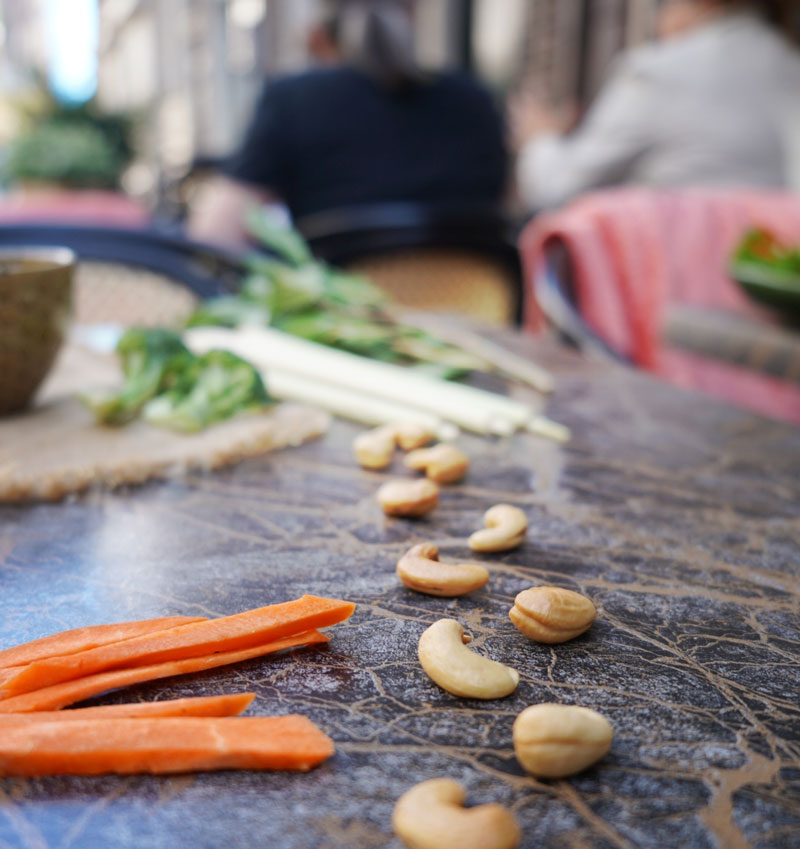
Amsterdam: A City Designed for Public Life
Amsterdam is a city as much defined by its open spaces as by the architecture that lines it. Squares, parks and open plazas act as common living rooms — spaces where everyday life takes place in full view. Tourists stop to get their bearings, locals casually meet up with friends, musicians play for strolling audiences and markets emerge from nowhere as if by tradition rather than design. Unlike the grand, symmetrical plazas more typical of many European capitals, Amsterdam’s public spaces grew organically, affected by trade routes, religious sites, waterways and local requirements. That organic growth imparts to them a lived-in quality that feels authentic, not staged.
Walking through such spaces can be an eye-opening process. Each square represents a different facet of the city’s personality. Some of these are forged by political history and civic authority; others, by intellectual exchange, commerce or leisure. You can in one afternoon go from a square zoned by monuments and ceremony to another crammed with cafés, book stalls or serene semblances of residential life. These contrasting shifts happen smoothly and quickly, further giving the impression that public life in Amsterdam is uninterrupted rather than episodic.
What’s particularly striking about these areas is how much they’re entwined with daily life. Public squares aren’t destinations to be visited briefly and moved on from; they’re part of the city’s circulatory system. Cyclists whizz through on their way to work, parents linger with children after school, and neighbours hang out without rushing. Parks and open spaces are able to fill a comparable position, providing space in which to stop and take a breath amid the denseness of urban existence. Work in these areas forms a rhythm that promotes looking, activity and the space for easy movement.
Wandering through Amsterdam’s squares for an entire day is somehow both energising and grounding. This back and forth between busy-ness and quiet, the sharing and privacy, makes this dynamic without being sensory. There is a place to sit and watch or contemplate at almost every turn. Over time, the city’s rhythms grow familiar: the hushed mornings, the slower afternoons and early-evening dissipations of energy. By late afternoon, a lot of visitors have an experience of completion — not that there’s not more to see, but the day and everything inside them has arrived at a natural resting point.

The craving for a quiet place that’s cosy and cool, where a person can sit down and eat in peace, seems not only obvious but also necessary. The rest becomes part of the experience after hours spent walking, observing and engaging with the city’s public life rather than a pause from it. Wrapping up the day at this restaurant near the cultural centre perfectly serves as a bridge. A composed space, attentive service and considerately made food provide the restorative endcap you need when you’ve been jostled around in the city’s public spaces. For Amsterdam, it is this harmony of shared life and quiet conclusion that transforms a day exploring into an ultimate and permanent experience.

The Pulse of the City: Central Squares That Never Sleep
There are not many spaces where Amsterdam’s collective energy is more visible than at Dam Square. The city’s historic core, it has been the site of royal processions and political protests, as well as public pageantry and private everyday life for centuries. The square was never created or used for a single purpose; rather, it has always morphed to meet the city’s and its people’s requirements. Today, it is often in a state of near-constant movement — tourists meeting to orient themselves, street performers attracting spontaneous crowds, trams gliding by with clocklike consistency. When standing in Dam Square, you don’t feel Amsterdam as a smorgasbord of neighbourhoods but as the capital city with inherited civic space and collective memory.
Leaving Dam Square behind, the walk to Muntplein follows a well-trodden course left by canals, trade and mobility. With the historical Mint Tower as its centrepiece, Muntplein is more of a thoroughfare than a destination. It connects the medieval old city centre with busy shopping streets and canal routes, providing an uninterrupted stream of pedestrians, cyclists and trams. The vibe is transitional here — less ceremonial than Dam Square, but far more bustling and urban than quieter residential neighbourhoods. The streets of Amsterdam are in motion, a city of passage and exchange rather than pause.
A short walk away, and Koningsplein is a world apart. It is smaller in scale, framed by shops and cafés — it feels more contained, more human. But people have a habit of parking here, rather than just driving through. Neighbours run into one another after work, and conversations evolve around café tables; visitors often linger without a plan — pulled in by the square’s human scale and slow pace. Whereas Dam Square means spectacle and Muntplein signifies movement, Koningsplein is the realm of everyday life.
The rhythm of Amsterdam’s heart is set by these two central squares. They’re dynamic, layered and in motion, all contributing a different tempo to daily life in the city. Instead of restraining movement, they invite engagement — leading visitors through history, commerce and social interactions in a manner that feels organic and ongoing. In these spaces, Amsterdam opens not through landmarks alone, but by the steady beat of public life.
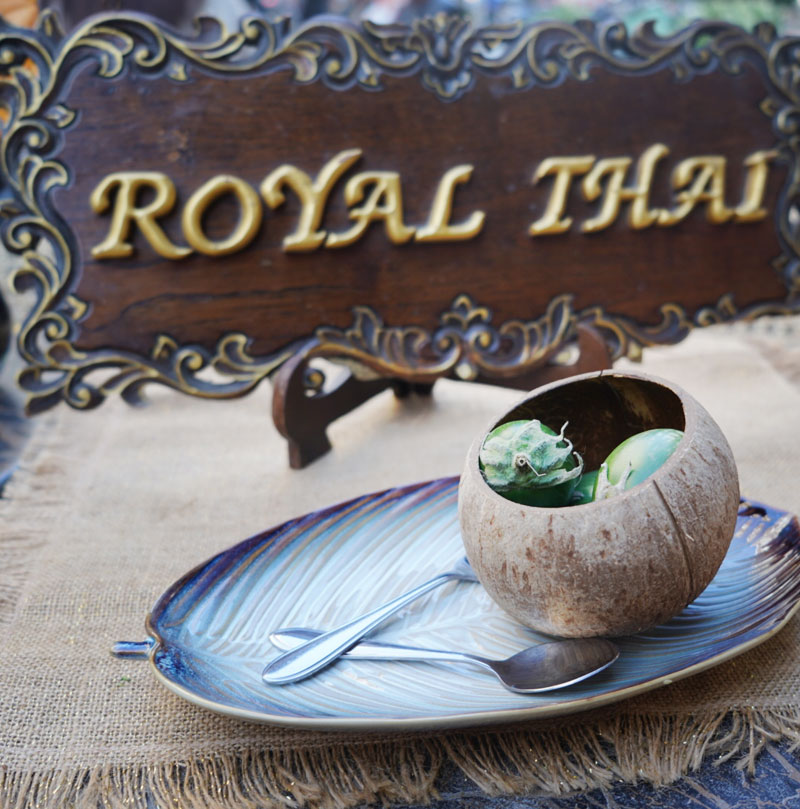
Thinking Spaces: Squares for Ideas, Books, and Conversation
Stepping away from the most trafficked commercial streets, Amsterdam’s intellectual and reflective side can be discovered in quieter, more intimate public spaces. These squares are not of monuments or continual motion, but of conversation, curiosity and reverence at a slower pace. They allow space for ideas to shuffle around — through conversation, reading, casual observation — and in the process, they expose a city where thought is as prized as spectacle.
The Spui is one of the city’s more picturesque squares and a historic hub of intellectual life. Lined with historic buildings, bookstores and cafés, it’s drawn writers, students, journalists and academics for generations. Book market days see tables of secondhand volumes spread across the square, encouraging library-style aimless browsing. In other cases, café terraces are impromptu chambers where talk is exchanged over coffee. Spui is reflective by nature — less about visual drama, more about exchange — and a place where ideas are as alive on the street as people.
Just around the corner is Max Euweplein, a lesser but cultural square close to Museumplein. Called after Dutch chess grandmaster Max Euwe, the square is named for its outside chess tables that see both locals and tourists competing in a bit of impromptu play. Passers-by often stop to watch or join in, making the square a live demonstration of strategic thinking and gentle competition. It is also a reminder that Amsterdam’s public spaces are meant to be for participating in, not merely observing — and that it is possible to engage with people in basic human ways.
Combined, they make for perfect pauses on a longer walk through the city. Following the intensity and hubbub of Amsterdam’s central districts, they help quieten the mind and reset the senses. Time spent here readies the visitor to move out and explore again with fresh eyes, and in that sense reinforces an idea that’s often true of culture in Amsterdam: If you want depth, it can be found less in crowds than in moments of quiet reflection or conversation.
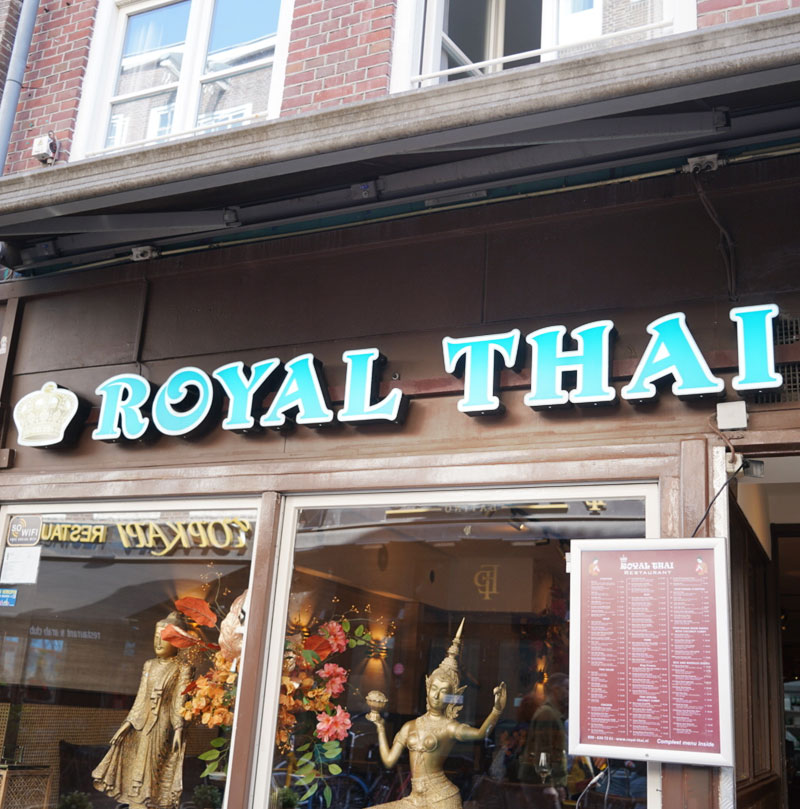
Social Squares That Come Alive as Evening Approaches
As afternoon becomes evening, Amsterdam’s parks get a little more like those squares with pretensions of sociability. Movement in the light hours is replaced with anticipation, and urban meeting places – functional spots – become gathering places for talk and shared experiences. The light softens, cafés are filled, and the pace becomes less exhausting and more passionate.
One of Amsterdam’s well-known social crossroads is the Leidseplein. By day, it is packed but accessible — a pass-through locale by museums and shopping streets. At night, though, the square is electric. Amid theatres, music center and , cafes and bars, it appeals to visitors towards it. Friends meet before shows, visitors stop just to figure out where the night is going, and street life gets noisier and more animated. The square seems like a boundary between daytime culture and nighttime social life.
There is a similar but different vibe with the Rembrandtplein. Bigger and more open, it has had an association with celebration and nightlife since way back when. Even in its quieter moments, there is a feeling of anticipation in the room. By early evening, the terraces fill, and people form clusters, underscoring that this is a place where people come not just to pass through, but to linger, chat and have a good time. Rembrandtplein reflects the social, expressive and public side of Amsterdam.
Next door, Marie Heinekenplein has a more neighbourhood feel. Girded by cafés and the everyday, it combines social energy with a laid-back, local feel. The people here dawdle unhurriedly, and the atmosphere is dictated less by spectacle than by familiarity. It’s a reminder that the pulse of Amsterdam runs not just in famous squares, but also in places defined by daily life.
Daylight and these residencies pass in the city are one of its quiet pleasures. Energy changes, conversations lengthe,n and the thought of dinner emerges more naturally — intimating a soft transition from discovery to evening rest.
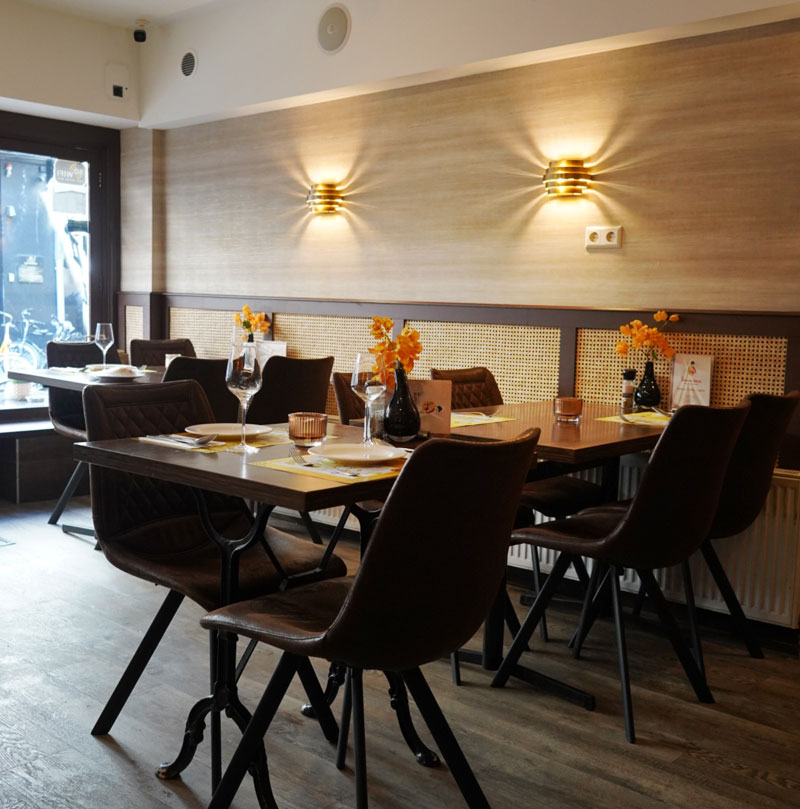
Open Spaces for Art, Leisure, and Breathing Room
Amsterdam is not a city where all spaces in the public realm are of movement, exchange or constant use. Others survive for an altogether different reason: to allow the city to breathe. This open columnar space works to offset the density of Amsterdam’s rich cultural and city fabric, providing a moment away from streets mediated by history, architecture, and constant movement. They let visitors and locals alike stop time, stretch it out and see the city at a more human pace.
At the heart of this equilibrium is Museumplein, one of Amsterdam’s largest and most open public squares. Surrounded by top-notch museums and distinguished by its large, open layout, Museumplein acts as a culture-filled lawn instead of a square. Here, the binge of museum-going leads to openness. People sit on the grass for picnics, children run around freely, cyclists cut through the edges, and visitors quietly stop between exhibitions. It is an anticlimactic way to end a busy morning of art and history, recognisable without feeling overrun, and so a fine thing to sit in as one lingers on your walk. Museumplein doesn’t beg for attention; it offers itself up gently, a place to hit the reset button in one’s mind.
The city quickly fades into green from this open space. Direct lines lead outwards to Vondelpark, Amsterdam’s most popular and most visited park. Vondelpark seems actually like entering an entirely different rhythm at all. The geometry of streets and squares is replaced by winding footpaths, open lawns and shady corners. Neighbours jog by with no particular urgency, musicians practice their French and their instruments under the trees and families lay out blankets as couples stroll without haste. Unlike those formal gardens, Vondelpark is lived-in and democratic, a place formed by habits of life more than by design.
Vondelpark has the power to slow down a day in a way only a few urban spaces can. Time stretches here. The motion is now one of choice more than necessity, and looking at rather than intending to. After museums or city squares, with their structure and stimulation, the park offers freedom to roam, sit, or do nothing at all. This rotation promotes a greater physical relaxation and mental clarity, getting visitors ready for whatever happens next in the afternoon.
Museumplein and Vondelpark together are the necessary antidote to Amsterdam's urban delights. They round the sharp corners of a day soaked in culture, providing room not just to rest the body but to absorb what’s been seen and felt. What they do instead is turn the act of exploration into a more sustainable, considered journey — one that values pause as eagerly as movement.
Markets and Neighbourhood Squares: Everyday Amsterdam
Some of Amsterdam’s sweetest moments are in its smaller squares, not just around the grand ones or its famous tourist magnets. These are the places where you see the city at its most natural — unslick, utilitarian and extremely human. They are defined by routine rather than ceremony, allowing us a glimpse of how Amsterdam is lived in day-to-day. The squares provide a respite from the feeling of being in cognito, instead of on display.
Nieuwmarkt is a collision of the old city and modern hustle, where medieval history rubs elbows with everyday movement. It has long been a place of exchange and trade, dominated by the Waag building in its centre. Today, the square is a hive of activity, with markets laid out regularly and cafés spilling onto its sides, while locals traverse the square as part of their everyday journey. There’s an energetic but unforced atmosphere. Then there’s the sense that nothing here is set up for visiting; instead, Nieuwmarkt operates to the rhythm of a place serving its locals first and foremost.
A short walk away, Waterlooplein has a different expression of everyday life. Best known for its flea market, the square has an air of informality and utility to it. Stalls peddle second-hand wares, music records, clothing and whatever items that haven’t got a clear story other than they have character. It feels different to walk through Waterlooplein than the more polished parts of town. Amsterdam rolls up its sleeves here — it’s resourceful, straightforward and doesn’t give two hoots about appearances.
West of the centre, it’s in the neighbourhoods that you get closest to normal life, and Noordermarkt is as relaxed and local-level as it gets. On market days in particular, the square morphs into an easy hub of conversation, food stalls and familiar faces. Ask a local, and they’ll give you the run around: “People say it’s the community spirit, people are lovely here,” said another resident. People talk to each other; shoppers stop to chat about vegetables -it doesn’t move at a rush-hour pace. The fact that the surrounding streets contribute so effectively to this idea makes it a square put here for community first and commerce second.
Across the road, Westermarkt, near the famous Westerkerk, merges everyday life with a historic backdrop. It is not grand or broad, but it is earthbound. Folks amble through on foot or bicycle, pausing only briefly before continuing along. It’s one of several spaces in which Amsterdam feels most like itself — utilitarian, poised and quietly expressive.
These squares collectively establish the rhythm of the city. They’re not really “destinations” in the usual sense, but they sure shape the experience of strolling through Amsterdam. When you’ve been hustling through markets and on neighbourhood streets all day, it’s gonna feel like a relief to take things half-speed for once. As a quieter coda to the evening, closing in on the cultural heart at Royal Thai Restaurant offers respite and reflection — inviting us all to pause, sleep on it for an evening (if we can), and have what remains of everyday Amsterdam soak into our memories.
Parks That Invite Distance and Reflection
In the course of the day, when thoroughfares and squares and cultural venues grow tepid, many walkers are drawn increasingly toward long walks in quiet places. Amsterdam’s green spaces make that transition seamless. They are not just greenlets in the city but extended landscapes that promote distance — both literal and mental — from city density. Navigating through these spaces changes the nature of the city from observation to reflection.
One Oosterpark is frequently the gateway to this more subdued cadence. With its broad walkways and open lawns, it is good for long walks to nowhere. For all the congestion, it even has a communal feeling to it. Families with young children wheeling scooters whiz past joggers who, in turn, pace by those seated quietly on benches. There is enough openness to breathe and enough presence to create a feeling of connection, making it softly antithetical to the more knotty energy of central squares.
Down south, the more low-key charms of Sarphatipark await. More modestly scaled and resolutely grounded in neighbourhood life, it’s homegrown on purpose. Folks trek here more to instil habit rather than curiosity — walking hounds, reading, simply people-watching for a spell. For visitors, too, Sarphatipark enhances the sense of stepping outside the tourist flow and into the city's everyday life.
Bigger and broader, Rembrandtpark is open to Amsterdam’s west neighbourhoods. Its extensive paths and quiet pockets come together to create a sense of distance seldom experienced inside city limits. Here, time seems to slow. The park offers an invitation to ‘wander without fare’ as a means of allowing thoughts the space in which to settle and the physical rhythm of walking to inhabit their place.
Further afield, Amstelpark is virtually an escape. Tightly-knit walled vineyards, open spaces and fewer crowds encourage you to linger rather than taste and race through. At the edge of the city, Flevopark feels like a different world entirely: unpolished, wilder and bracingly open, with room to breathe that’s jarring for anyone accustomed to the historic centre.
By the time you leave these parks, your body has gentled, your mind cleared, and the appetite for rest and nourishment is unignorable — a fitting climax of a day governed by movement, distance and contemplation.
Landmarks That Guide the Walk
Some landmarks in Amsterdam serve as visual anchors, gently orienting pedestrians during their transit through the city. They offer an axis around which a day of disciplinary exploration could rotate and lend the experience a shape—not random haunt-fest paths through space.
As people pass through canals and neighbourhoods, the tower of Westerkerk appears over and over again from various perspectives. It comforts rather than overwhelms with its presence, informing passersby of their connection to the historic heart of the city. Whether seen across water or above rooftops, the tower provides a reliable point of reference in a city of gentle turns and oblique angles; it holds still as one crosses town.
In the south, Stadionplein presents another face of Amsterdam’s character. And wide open and modern in feel, it’s a sharp contrast to the close-in intimacy of older squares. The size and set-up of it tells the story of the city’s growth and transformation in the 20th century, demonstrating how Amsterdam manages its heritage with modern life.
Collectively, these points of reference organise walking; they orient movement and help to develop a sense that one is moving through the city.
The Natural Shift from Walking to Evening
It is in the late afternoon that one feels how many miles are punishing to the body. Feet drag, shoulders soften, and conversation goes quiet. This is that moment when a quality of Amsterdam asserts itself: it has mastered the art of the gently ending day.
And the aesthetic change from walk to dine isn't so jarring. It is something that subtly dawns on you — maybe while strolling in a park, passing through a familiar square one final time or watching how the light shifts over the canals. Deciding where to eat becomes part of that rhythm, not a separate decision.
Situated on Lange Leidsedwarsstraat, close to some of the best strolling spots in town, Royal Thai is a product of its time. After a day of ticking off squares and parks, visitors often want a place that feels calm, welcoming, unhurried. Taking a seat, pulling out sandwiches, and savouring impressions of the day brings the experience together in a way that walking alone simply does not.
The warmth of the place, the ease of dishes cooked with care, and the fact that you can finally rest make everything worth it.
A Day Well Walked, an Evening Well Spent
Amsterdam’s squares and parks aren’t just geographical places; they are experiences, where the city comes into its own at any time of day. They are subtle prompts for movement rather than overt directives, and they promote through speech without sound while the emotions of walking, stopping and looking take leisurely root. From open lawns and neighbourhood markets to reflective parks and buzzing plazas, these sites transform walking into a form of interaction. Over the span of a hard day, that engagement makes not just memory but also natural appetite — for rest, for connection and also for comfort.
An easy dinner at the end of such a day isn’t indulgence; it’s equilibrium. After hours of absorbing the rhythm, history and public life of a city, a sit-down not only gives the body respite; it also gives our mind time to digest its recent experiences. It is in these calmer moments that the information of the day starts to marshal itself as memory, not movement. Conversation slows, impressions settle into something like cognition, and the energy of the city acquiesces to something more personal and thoughtful.
In this situation, the right place to end your day is important. We end the evening at Royal Thai Restaurant, in a room that matches the tempo of a day well trodden. The serene space, attentive service and thoughtfully prepared food all conspire to enable repose without diversion. The good days in Amsterdam are not to be hurried. They are taken with purpose, paused without compunction and ended tenderly. And when the walking is done, there’s nowhere else to go but right where you should — at a table as site-specific for warmth.
Recent Post
-
1

-
2
 A Perfect Day Around Amsterdam’s Central Hotels and City Sights
February 10, 2026
-
3
 A Scenic Canal Route Through Amsterdam Followed by Dinner
February 10, 2026
-
4
 Amsterdam’s Cultural Landmarks and the Ideal Way to End the Day
February 10, 2026
-
5

-
6

-
7
 Drop By Our Authentic Thai Restaurant in Leidseplein
June 13, 2024
-
8
 Explore Leidseplein Top Attractions and Famous Places to Visit
December 26, 2025
-
9
 Exploring Amsterdam’s Parks and Ending the Day with Great Food
February 9, 2026
-
10

-
11
 Lange Leidsedwarsstraat: A Complete Guide to Amsterdam’s Lively Streets
February 26, 2026
-
12

-
13
 Shopping Amsterdam’s Iconic Streets Before a Relaxed Dinner
February 9, 2026
-
14
 Strolling Through Amsterdam’s Squares and the Ideal Evening Meal
February 10, 2026
-
15
 Taste The Flavorsome Thai Rode Curry in Amsterdam
June 13, 2024
-
16

-
17
 Try Authentic Thai Food Amsterdam Only at Royal Thai
June 13, 2024
-
18

-
19
 Walking Amsterdam’s Famous Streets and a Relaxing Evening Meal
February 10, 2026
-
20
 Your Guide to a Good Thai Restaurant in Amsterdam
June 13, 2024
