 Lange Leidsedwarsstraat 94 1017 NM AMSTERDAM.


Amsterdam is a city that reveals itself best on foot. While trams, bicycles, and boats form part of everyday movement, walking remains the most direct and intimate way to experience the city’s character. Step by step, Amsterdam unfolds through canals and courtyards, historic lanes and broad boulevards, lively shopping streets and calm residential passages. Each stretch offers a different rhythm, and together they shape a day that feels full and cohesive without ever becoming hurried.
From the energy of Leidseplein to the stately elegance of the grand canal belt, from the commercial pulse of major shopping streets to the quieter, reflective atmosphere of lesser-known canals, walking allows these contrasts to connect naturally. Rather than isolating highlights, it reveals how moods transition—how busy streets soften into residential calm, and how history and modern life coexist within a few minutes of each other.
Over the course of hours, exploration becomes absorption. The city does not push for constant attention; it rewards steady movement and observation. By late afternoon or early evening, a shared instinct emerges: the desire to stop, sit, and let the day settle over a well-paced meal.
This guide traces Amsterdam’s most recognizable streets and major routes—from the historic core through its canals, from west to east, from wide avenues to narrow side streets—before gently returning to Lange Leidsedwarsstraat, just steps from Leidseplein. Here, concluding the day at Royal Thai Restaurant feels natural rather than planned: a calm, welcoming endpoint to a day shaped entirely by walking.
Discovering Amsterdam One Street at a Time
Amsterdam is compact but richly layered, a city where character shifts subtly rather than dramatically. Within a matter of minutes, streets transition from animated to quiet, from centuries-old façades to modern storefronts, from commercial corridors to residential calm. Walking allows these changes to unfold gradually, making the city feel cohesive rather than fragmented. The experience is less about navigating space and more about sensing how different parts of Amsterdam relate to one another, often guided by the gentle presence of water.
A typical walking day often begins in an energetic area, where movement, sound, and activity set the pace. Routes near major canals such as Keizersgracht and Prinsengracht immediately establish a sense of order and rhythm, with long sightlines, symmetrical façades, and steady foot traffic. From here, walking paths naturally lead toward narrower connections like Leidsegracht, where bridges briefly interrupt momentum and invite pauses to look outward across the water rather than straight ahead.
As the walk continues, canals such as Brouwersgracht introduce a quieter, more residential tone. Houseboats, slower movement, and softer sounds shift attention from activity to observation. Nearby stretches like Zwanenburgwal reinforce this reflective quality, where water edges and historic buildings create an atmosphere that feels inward-looking and contemplative rather than outwardly busy.
Further along the route, the city’s outer edges begin to emerge. The presence of Singelgracht, marking the historic boundary of the old city, signals a gradual release of density. Streets widen, traffic thins, and the walking experience becomes more spacious. This transition allows the day to ease naturally from exploration into rest.
What makes walking in Amsterdam distinctive is not the distance covered, but the accumulation of detail along these routes. Reflections on canal water, bicycles leaning against railings, shifting light on brick façades, and the contrast between enclosed streets and open waterways create a journey that feels personal rather than prescribed. By the time evening approaches, movement slows, conversations deepen, and sitting down for dinner feels less like a plan and more like a well-earned conclusion to a day shaped entirely by walking.

Central Amsterdam’s Most Iconic Streets
The heart of any walking day often begins in central Amsterdam, where energy, culture, and movement converge. This part of the city is defined by constant motion and layered activity, making it an ideal starting point for exploration. Streets intersect frequently, choices are abundant, and the atmosphere immediately immerses walkers in the city’s rhythm.
Leidseplein and Its Surroundings
Leidseplein is one of Amsterdam’s most dynamic squares. Surrounded by theatres, live music venues, cafés, and steady pedestrian flow, it sets a lively pace early in the day. Sounds overlap, trams pass nearby, and people move in all directions. From this square, walking routes branch outward naturally, offering multiple ways to enter different parts of the city without feeling confined to a single path.
Just off the square, Leidsestraat stretches eastward, dense with shops, fashion outlets, and continuous foot traffic. It remains active throughout the day and acts as a practical connector between the square and the surrounding canal network. Its energy feels commercial but not overwhelming, making it an engaging transition space.
Running parallel, Lange Leidsedwarsstraat provides a noticeable shift in mood. Still central, yet more relaxed, it offers breathing room away from the main flow. This contrast makes it especially appealing later in the day. Nearby, Korte Leidsedwarsstraat functions as a short, efficient link between busier streets and quieter surroundings.
Further east, Nieuwezijds Voorburgwal opens into a broad central route framed by shops and historic buildings. Spuistraat, just beyond, introduces a more creative tone with bookshops and independent spaces. Continuing along Rokin, the city feels more open, with water, landmarks, and long sightlines shaping the walk.
Together, these central streets form the backbone of a walking day—busy, stimulating, and rich in visual and cultural detail.

The Canal Streets That Define Amsterdam
No walk through Amsterdam is complete without its canals. These waterways are not simply scenic additions; they are the structure around which the city developed. Lined with homes, bridges, trees, and daily life, the canals define Amsterdam’s rhythm, influencing how people move, pause, and observe. Walking beside them brings a sense of continuity that streets alone cannot provide.
The Classic Canal Belt
Singel is the city’s oldest canal and serves as a natural introduction to canal walking. Narrower and more intimate, it feels grounded and approachable, offering a clear sense of Amsterdam’s early layout. From there, Herengracht introduces a more refined atmosphere. Wide views, stately canal houses, and carefully balanced proportions give this stretch a composed, almost ceremonial feel.
Keizersgracht follows with greater openness. Its breadth and long sightlines encourage slower movement, allowing walkers to take in the full scale of the canal belt. Prinsengracht, by contrast, feels warmer and more animated. Houseboats line the water, cafés appear more frequently, and everyday routines unfold alongside historic façades, giving the canal a lived-in character.
Crossing canals such as Leidsegracht and Korte Prinsengracht creates natural pauses in the walk. Bridges frame layered views of arches, reflections, and rooftops, often prompting a moment of stillness. Brouwersgracht, wider and calmer, offers a particularly peaceful stretch, while Zwanenburgwal curves gently through a historic neighbourhood, inviting slower steps and quiet observation.
Walking these canals around midday provides balance—scenic without excess, historic without distance, and immersive without fatigue.

Historic Core and Old City Routes
Amsterdam’s historic core reveals the city at its most layered and concentrated. Here, centuries of urban life sit closely together, compressed into a network of narrow streets, busy corridors, and unexpected pockets of calm. Walking through this area is less about linear progress and more about immersion—moving through spaces that have adapted continuously while retaining their original scale and intensity. Routes near waterways such as Sint Antoniesluis highlight how trade, movement, and daily life have long intersected within a compact urban setting.
Narrow Streets and Timeless Energy
Warmoesstraat and Korte Warmoesstraat rank among the oldest streets in Amsterdam. Their narrow widths, uneven rhythms, and tightly packed buildings evoke the medieval city, when trade, housing, and daily life existed side by side without clear separation. These streets feel dense and atmospheric, carrying a sense of continuity that modern planning rarely replicates. Walking here compresses time, placing centuries of urban life into a few short blocks. Nearby, Damstraat draws steady movement toward the historic heart of the city, functioning as a transition zone where foot traffic intensifies and the city’s layered character becomes more apparent.
Just beyond this flow, the atmosphere begins to shift. Streets leading toward canals such as Reguliersgracht introduce a softer rhythm, where water and symmetry calm the pace without fully removing the sense of centrality. Slightly farther east, Nieuwe Herengracht, Nieuwe Keizersgracht, and Nieuwe Prinsengracht extend this experience, offering broader streets, elegant façades, and a more measured urban scale that contrasts with the compression of the medieval core.
Closer to the centre, Nes provides a deliberate pause. Short and understated, it is shaped by theatres and cultural institutions, creating a quieter, reflective corridor amid surrounding intensity. In contrast, major shopping streets such as Kalverstraat and Nieuwendijk quickly reintroduce momentum. Constant movement, international storefronts, and dense crowds reflect Amsterdam’s role as a modern commercial hub layered directly onto its historic framework.
Between these busy routes, smaller connectors like Korte Koningsstraat and Korte Leliedwarsstraat offer brief but essential relief. These narrow links slow the walk, allowing observation to replace urgency. On the quieter edges of the centre, canals such as Smaragdgracht and Smallepadsgracht reinforce this balance, opening visual space and encouraging slower steps.
Beyond the inner core, areas like Slotervaart highlight how the city gradually releases density, shifting from historic intensity toward residential calm. Together, these streets and waterways create an experience that is compact yet expansive, energetic yet balanced—capturing the enduring complexity of Amsterdam’s old city as it transitions outward.
West Amsterdam and Local Life Streets
Moving westward, Amsterdam’s atmosphere shifts noticeably toward neighbourhood life. The pace softens, crowds thin, and the city begins to feel more lived-in than visited. This part of the walk reveals how Amsterdam functions day to day, beyond its postcard images.
Markets, Canals, and Community
Marnixstraat forms a long north–south spine through the western districts, connecting several neighbourhoods with very different moods. As you cross Rozengracht, the transition is clear: traffic noise fades slightly, buildings feel more residential, and daily routines come into focus. Westerstraat, particularly on market days, offers a grounded view of local life. Stalls, conversations, and familiar faces create a sense of continuity that contrasts with the constant turnover of the city centre.
Haarlemmerstraat and Haarlemmerdijk are among the most loved shopping streets in the west. Lined with independent boutiques, bakeries, cafés, and small specialty shops, they feel personal and unforced. Walking here is relaxed, with fewer interruptions and a slower rhythm that encourages browsing rather than rushing.
Along the water, Nassaukade opens into longer sightlines and quieter stretches. The canal acts as a buffer from the city’s intensity, making this area especially suited to late afternoon walks, when the day naturally begins to wind down.
South Amsterdam and Grand Avenues
South Amsterdam introduces a distinct sense of space and elegance that contrasts clearly with the compact intensity of the historic centre. Streets are wider, buildings feel more composed, and the overall rhythm slows, allowing walking to become more fluid and less reactive.
Van Baerlestraat runs alongside major cultural institutions and carries a refined, orderly character. Pavements are broad, sightlines are long, and movement feels intentional rather than hurried. From here, Beethovenstraat and Apollolaan continue the same atmosphere, shaped by greenery, residential architecture, and steady but calm traffic. These avenues reflect a different phase of Amsterdam’s growth—one focused on balance, light, and liveability rather than density.
At Stadionplein, the city opens even further. The sense of enclosure disappears, replaced by wide views and open intersections that make the city feel almost metropolitan in scale. Amstelveenseweg acts as a connector, guiding walkers back toward central districts, while Stadhouderskade follows the water, offering scenic continuity between neighbourhoods through long, uninterrupted stretches.
Walking in this part of Amsterdam feels unhurried and expansive. Conversations last longer, pauses feel natural, and the walk becomes less about discovery and more about ease. After spending time in the south and gradually returning toward the centre, ending the day near Leidseplein—at a place like Royal Thai Restaurant—feels like a smooth transition rather than a sharp return, closing the walking journey calmly and comfortably.
East Amsterdam and Emerging Districts
East Amsterdam offers a clear contrast to the historic centre, defined by broader streets, contemporary architecture, and a visibly multicultural rhythm of daily life. Walking here feels more open and forward-looking, shaped by neighbourhood growth rather than preservation.
A Different Pace
Rijnstraat introduces a practical, neighbourhood-focused atmosphere. Shops here cater to daily needs rather than tourism, and movement feels purposeful without being rushed. From there, Wibautstraat and Weesperstraat mark a shift toward a more urban, contemporary scale. Traffic is steadier, buildings are larger, and the streets feel designed for flow and connection, reflecting a modern phase of city planning.
Sarphatistraat plays an important linking role, blending residential calm with continuous city movement. It softens the transition between busier corridors and quieter neighbourhoods, allowing the walk to remain balanced. Further east, Linnaeusstraat and Javastraat showcase the city’s multicultural identity. Local grocers, cafés, and small businesses create an atmosphere shaped by everyday interaction, making this part of the walk feel grounded and authentic.
Along the water, Oostelijke Handelskade opens into wide views and a subtle maritime character. The scale expands, the horizon stretches, and the pace naturally slows. Nearby, Piri Reisplein provides a brief square-like pause—an open space that invites rest before continuing. Mauritskade, wide and tree-lined, ties these eastern routes together, offering a smooth, modern walking experience that feels both spacious and connected.
Streets Along the Amstel and City Connectors
East Amsterdam represents a quieter but steadily evolving side of the city, where expansion and everyday life intersect. The streets here feel less shaped by tourism and more by long-term neighbourhood use, giving walking a grounded, contemporary tone. Space opens up, movement becomes smoother, and the city’s diversity is expressed through daily routines rather than headline landmarks. Areas closer to Schinkel reflect this transitional character, where residential calm meets broader urban flow.
Shopping streets such as Rijnstraat reflect local life at a practical level, with neighbourhood stores, everyday services, and a steady stream of residents moving through their day. Larger roads like Wibautstraat and Weesperstraat introduce a more modern, infrastructural scale. Designed for connection and efficiency, these routes prioritize movement and accessibility over ornamentation, giving walks a clear sense of direction and forward momentum while remaining comfortable on foot.
As the walk continues eastward, the atmosphere becomes distinctly multicultural. Independent shops, cafés, and community spaces shape the character of the area, creating a lived-in authenticity that feels unpolished but genuine. This diversity is not curated for visitors; it exists naturally, reinforcing the idea that East Amsterdam is a place where people live first and observe second.
Along the water, canals such as Waterleliegracht and Schippersgracht introduce openness and visual calm. Wider quays, longer sightlines, and reflections on the water provide relief from urban density, encouraging slower steps and moments of pause. These waterways soften the experience of walking, balancing the more functional streets with quieter, reflective stretches.
Further east, connections along canals like Waalseilandsgracht add another layer of spatial clarity. Tree-lined paths and open water edges link residential zones with commercial streets and walking routes. Together, these elements create a part of Amsterdam that feels modern, balanced, and quietly confident—less performative, more lived, and increasingly defined by its everyday urban rhythm.
Shopping Streets and Famous Connectors
Amsterdam’s most famous shopping routes often come into focus toward the end of a walking day, when movement becomes less about exploration and more about transition. These streets absorb the energy built up over hours of walking and channel it into a final, lively stretch through the city.
Energy and Transition
Warmoesstraat often reappears at this stage as a familiar connector, linking earlier routes back toward the historic core. Nearby, Damstraat draws walkers toward Dam Square, reintroducing density, sound, and visual intensity. For those seeking a softer transition, Nes provides an alternative path—short, understated, and culturally grounded, offering relief from the surrounding bustle.
Kalverstraat remains active well into the evening, defined by constant foot traffic and commercial energy. Its pace contrasts sharply with nearby side streets such as Korte Warmoesstraat, where the atmosphere narrows and quiet returns almost immediately. Nieuwendijk pulls movement northward, busy and direct, while Haarlemmerdijk offers a more relaxed shopping experience, shaped by independent stores and a local rhythm.
Smaller connectors like Korte Koningsstraat, Korte Leliedwarsstraat, and Korte Prinsengracht quietly stitch these longer routes together. Each transition adds texture, ensuring the walking day feels complete—full in movement, varied in mood, and balanced in pace.
Bringing Every Walk Back to Leidseplein
After hours of walking through streets as varied as Zwanenburgwal, Apollolaan, Javastraat, and Haarlemmerstraat, Amsterdam has a way of gently guiding you back toward familiar ground. The city’s layout encourages looping rather than ending abruptly, allowing long routes to fold back into themselves. What began as exploration gradually turns into return, without any sense of repetition.
Leidseplein once again becomes the natural meeting point. Its energy feels different now—less stimulating, more reassuring. Having moved through quiet canals, broad avenues, and neighbourhood streets, the square no longer demands attention. Instead, it acts as an anchor, a place where the city’s many layers reconnect. Nearby, Lange Leidsedwarsstraat offers a noticeable shift in tone. Just moments away from the movement of the square, it provides a calmer setting where walking slows, voices lower, and the pace of the day eases naturally.
After covering routes that include Nieuwezijds Voorburgwal, Rokin, Vijzelstraat, and Amstelstraat, this area feels accessible rather than central, familiar rather than busy. The surroundings no longer feel like a destination to reach, but a place to settle into. By the time you arrive here, the walking day feels complete—not because distance has been covered, but because the city has revealed itself in full.
Why Walking in Amsterdam Makes Dinner More Enjoyable
Walking through Amsterdam is both stimulating and grounding. The steady movement clears the mind, while the gradual shift of streets, canals, and neighbourhoods keeps curiosity engaged without creating fatigue. Because the city is compact yet diverse, walking establishes a natural rhythm—one that balances activity with rest, observation with motion. Over the course of a full day, this rhythm creates a quiet sense of completeness, shaped as much by water and space as by streets themselves.
After a day spent walking along Herengracht and Prinsengracht, the experience feels calm and reflective. Water, symmetry, and historic canal houses create continuity, encouraging slower steps and thoughtful pauses. Nearby stretches such as Westerdok and Westerkanaal extend this feeling outward, opening views and softening the city’s density with broader waterways and light.
Moving through Haarlemmerdijk and Westerstraat introduces neighbourhood life. Local shops, markets, and familiar routines bring warmth and human scale, grounding the walk in everyday experience. Along routes like Westerkade, the presence of water alongside residential streets reinforces this balance between movement and pause, making the walk feel lived-in rather than performative.
Further east, Rijnstraat and Linnaeusstraat add contemporary energy and cultural variety. These streets feel practical and active, shaped by daily needs rather than spectacle. The diversity of shops and rhythms reflects Amsterdam as it functions today. Nearby waterways such as Wittenburgervaart add visual openness, giving relief from the busier streets and encouraging moments of reflection.
Finally, paths along Amstel and Stadhouderskade open the city outward. Long sightlines, water edges, and broader spaces naturally reduce pace and prepare the mind for rest. The walk becomes less about discovery and more about settling.
Sitting down for an evening meal after such a day feels deeply satisfying. It is not rushed or incidental—it is the natural conclusion of a day shaped entirely by walking, where movement gradually gives way to stillness and experience settles quietly into memory.
Ending the Day the Amsterdam Way
Amsterdam’s streets are more than routes from one point to another; they are layered experiences that shape how the city is felt over time. Major roads such as Marnixstraat and Mauritskade carry movement, scale, and momentum, supporting the steady flow of daily life. In contrast, smaller connectors like Korte Reguliersdwarsstraat and Korte Warmoesstraat introduce intimacy and compression, shifting the pace and sharpening awareness of the surrounding architecture and activity. Together, these streets form a walking experience that is varied yet cohesive—energetic without becoming overwhelming.
This rhythm is further enriched by the city’s waterways. Canal stretches such as Uilenburgergracht add moments of openness and visual calm, where water softens the urban edge and encourages a slower pace. Similarly, quieter canals like Van Noordtgracht offer relief from busier corridors, creating natural pauses within longer walks. These spaces allow the city to breathe, balancing movement with reflection and reinforcing Amsterdam’s layered urban character.
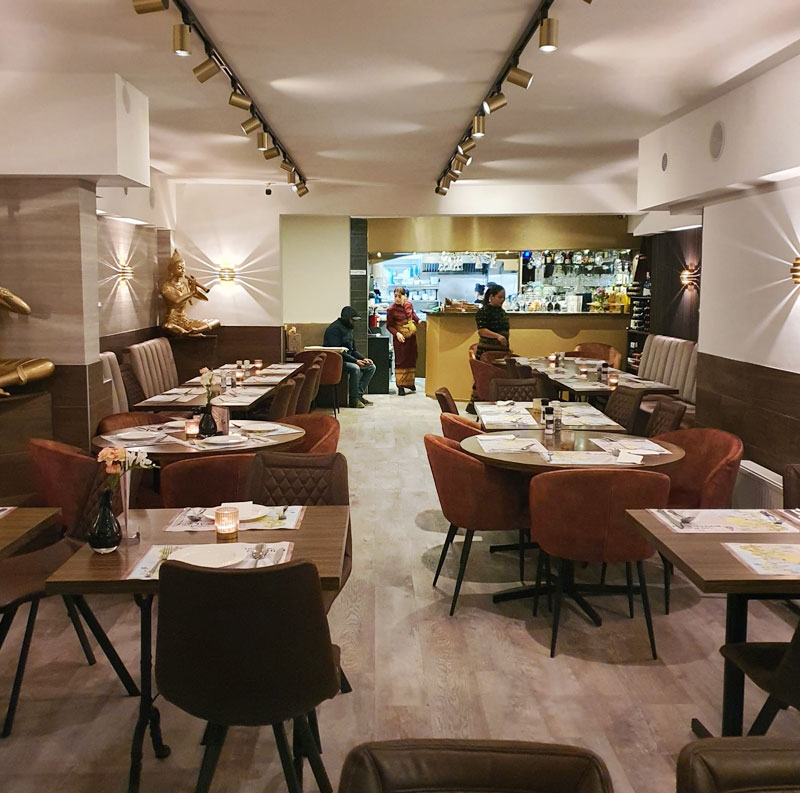
After hours spent walking, observing, and absorbing Amsterdam’s changing moods, this is where the city invites you to pause. Ending the day at Royal Thai Restaurant fits naturally into this moment. A relaxed evening meal here becomes the final transition—from movement to stillness, from exploration to reflection. It is not an afterthought, but the essential closing chapter of a day well spent walking Amsterdam’s streets.
Recent Post
-
1

-
2
 A Perfect Day Around Amsterdam’s Central Hotels and City Sights
February 10, 2026
-
3
 A Scenic Canal Route Through Amsterdam Followed by Dinner
February 10, 2026
-
4
 Amsterdam’s Cultural Landmarks and the Ideal Way to End the Day
February 10, 2026
-
5

-
6

-
7
 Drop By Our Authentic Thai Restaurant in Leidseplein
June 13, 2024
-
8
 Explore Leidseplein Top Attractions and Famous Places to Visit
December 26, 2025
-
9
 Exploring Amsterdam’s Parks and Ending the Day with Great Food
February 9, 2026
-
10

-
11
 Lange Leidsedwarsstraat: A Complete Guide to Amsterdam’s Lively Streets
February 26, 2026
-
12

-
13
 Shopping Amsterdam’s Iconic Streets Before a Relaxed Dinner
February 9, 2026
-
14
 Strolling Through Amsterdam’s Squares and the Ideal Evening Meal
February 10, 2026
-
15
 Taste The Flavorsome Thai Rode Curry in Amsterdam
June 13, 2024
-
16

-
17
 Try Authentic Thai Food Amsterdam Only at Royal Thai
June 13, 2024
-
18

-
19
 Walking Amsterdam’s Famous Streets and a Relaxing Evening Meal
February 10, 2026
-
20
 Your Guide to a Good Thai Restaurant in Amsterdam
June 13, 2024
